
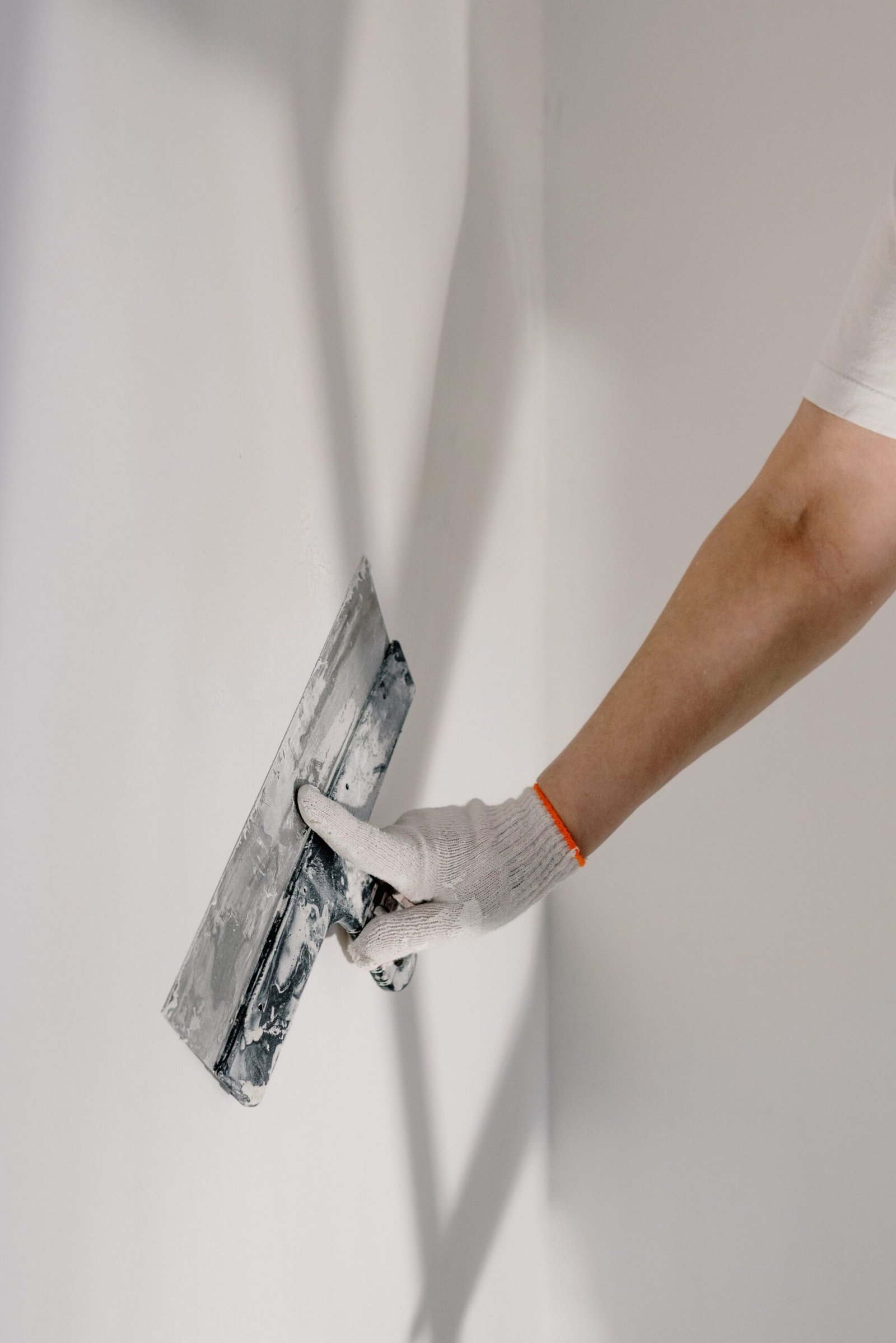

A building may already be structurally complete, but without proper finishing works, it will still feel unfinished. This stage is where the project begins to look and feel like the home, office, commercial space, or investment property you originally imagined.
Finishing works cover the visible elements that complete the building after major structural and rough-in activities have been completed. These include flooring, painting, ceilings, cabinetry, doors, fixtures, lighting, wall treatments, and other architectural details.
While structural construction determines the strength of the building, finishing works influence its appearance, comfort, functionality, maintenance, and overall market value.
For homeowners, developers, brokers, and property investors, understanding this stage helps ensure that the final budget is used wisely and that the property is completed to a professional standard.
What Are Construction Finishing Works?
Construction finishing works are the activities performed after the major structural, masonry, electrical, plumbing, and roofing components are substantially complete.
Depending on the project, they may include:
- Floor and wall tile installation
- Ceiling installation
- Interior and exterior painting
- Door installation
- Window finishing
- Cabinetry
- Countertops
- Bathroom fixtures
- Lighting fixtures
- Electrical devices
- Plumbing fixtures
- Wall cladding
- Decorative finishes
- Final waterproofing details
- Cleaning and touch-ups
This is the stage where technical construction begins to transform into a fully usable and visually complete property.
Why Finishing Works Matter
1. They Define the Final Appearance
Finishing materials are what clients and visitors notice first.
Tile alignment, paint quality, ceiling details, cabinet finishes, lighting, and fixtures all contribute to the overall impression of the property.
Even a strong structure can look poorly built if finishing work is rushed or inconsistent.
Quality finishing creates a polished and professional result.
2. Finishes Affect the Budget Significantly
Many homeowners underestimate how much of the total construction budget is allocated to finishing materials.
Premium tiles, natural stone, customized cabinetry, large glass panels, decorative lighting, imported fixtures, and specialized wall finishes can quickly increase project cost.
This is why finishes should be selected early and coordinated with the overall construction budget.
A practical approach is to prioritize quality where durability matters most while controlling decorative spending in areas that can be upgraded later.
3. Flooring Requires Careful Selection
Flooring influences both appearance and daily maintenance.
Common choices include:
- Ceramic tiles
- Porcelain tiles
- Marble
- Granite
- Vinyl flooring
- Engineered wood
- Polished concrete
- Outdoor pavers
The right option depends on the location, traffic level, moisture exposure, style, and budget.
For bathrooms, balconies, and outdoor areas, slip resistance and water performance should take priority over appearance alone.
4. Painting Is More Than Choosing a Color
Good painting work starts long before the final coat.
Proper surface preparation may involve:
- Cleaning
- Repairing cracks
- Sanding
- Skim coating
- Applying primer
- Correcting uneven surfaces
Skipping preparation can result in peeling paint, uneven finishes, visible imperfections, and reduced durability.
Choosing the correct paint system for interior, exterior, masonry, wood, or metal surfaces is also essential.
5. Ceiling Finishes Influence the Entire Room
Ceilings affect lighting, acoustics, room proportions, and overall interior style.
Common ceiling options include:
- Gypsum board
- Fiber cement board
- PVC ceiling panels
- Wood-look panels
- Decorative ceiling systems
- Exposed concrete
Simple ceiling designs are often easier to maintain and can create a clean modern appearance, while more detailed ceilings may be appropriate for premium interiors.
6. Cabinetry Should Be Functional
Kitchen cabinets, wardrobes, vanities, and storage systems should not be designed solely for appearance.
They should consider:
- Storage capacity
- Accessibility
- Moisture resistance
- Hardware quality
- Countertop durability
- Maintenance
Custom cabinetry can improve space efficiency, especially in compact homes where every square meter matters.
7. Fixtures and Accessories Complete the Space
Bathroom fixtures, faucets, switches, outlets, lighting, door hardware, and accessories may seem like small items, but together they have a major impact on the finished property.
Choosing reliable products can reduce future maintenance and replacement costs.
Clients should also verify whether the selected fixtures are compatible with the plumbing and electrical provisions already installed.
Quality Control During Finishing
Finishing works require careful supervision because small defects become highly visible.
Quality inspections may include checking:
- Tile alignment and level
- Grout consistency
- Paint coverage
- Door alignment
- Cabinet operation
- Ceiling joints
- Lighting installation
- Plumbing fixtures
- Sealants
- Glass installation
- Final cleaning
Correcting issues before turnover creates a better client experience and reduces post-construction concerns.
Common Finishing Mistakes
Some common problems include:
- Choosing finishes without checking the budget
- Buying materials before confirming quantities
- Using incompatible products
- Rushing installation
- Poor surface preparation
- Inconsistent tile layout
- Incorrect fixture placement
- Changing selections too late
- Ignoring maintenance requirements
These mistakes can delay project completion and increase costs.
Why Finishing Decisions Should Be Made Early
One of the best ways to keep finishing works organized is to select major materials before construction reaches the final stage.
Early decisions on tiles, doors, cabinets, fixtures, colors, and ceiling systems allow the contractor to coordinate procurement and installation schedules.
Late selections can cause delays, especially when products are out of stock or require custom fabrication.
Finishing Works and Property Value
A well-finished property creates stronger buyer appeal.
For build-and-sell projects, apartments, resorts, and commercial spaces, the quality of finishes can influence how clients perceive the value of the development.
However, expensive materials alone do not guarantee a premium result.
Good proportions, coordinated colors, proper installation, and clean workmanship often matter more than simply choosing the highest-priced products.
Why Design and Build Helps
Under a Design and Build approach, finishing materials can be coordinated with the architectural concept, construction budget, and technical requirements from the beginning.
Architects, estimators, and site teams can work together to ensure that selected materials are practical, available, and appropriate for the project.
This reduces last-minute changes and helps maintain consistency from design to actual construction.
Finish Your Project the Right Way
Finishing works are where the vision of a project becomes visible. Every tile, paint surface, cabinet, light fixture, and architectural detail contributes to the final quality of the property.
At Nillasca Construction, we believe that a project should be completed with the same level of attention given to its structural foundation. Through proper material selection, skilled workmanship, quality control, and coordinated project management, we help clients achieve finishes that are attractive, functional, and built to last.
Whether you are building a family home, apartment, commercial property, or resort, never treat finishing works as an afterthought.
A successful project is not only strong behind the walls—it is carefully completed in every detail people can see and use every day.