
When designing a modern home, office, commercial space, or apartment, interior finishes play an important role in both appearance and functionality. One material that has become widely used for ceilings, wall partitions, and decorative interior features is gypsum board.
Gypsum boards offer a clean finish, fast installation, design flexibility, and efficient space planning. They are commonly used in residential and commercial construction because they can create smooth ceilings, lightweight partitions, recessed lighting details, and modern architectural features without the weight of traditional masonry.
However, gypsum board is not suitable for every location. Proper material selection, framing, moisture protection, and installation are essential to achieve long-lasting results.
What Is Gypsum Board?
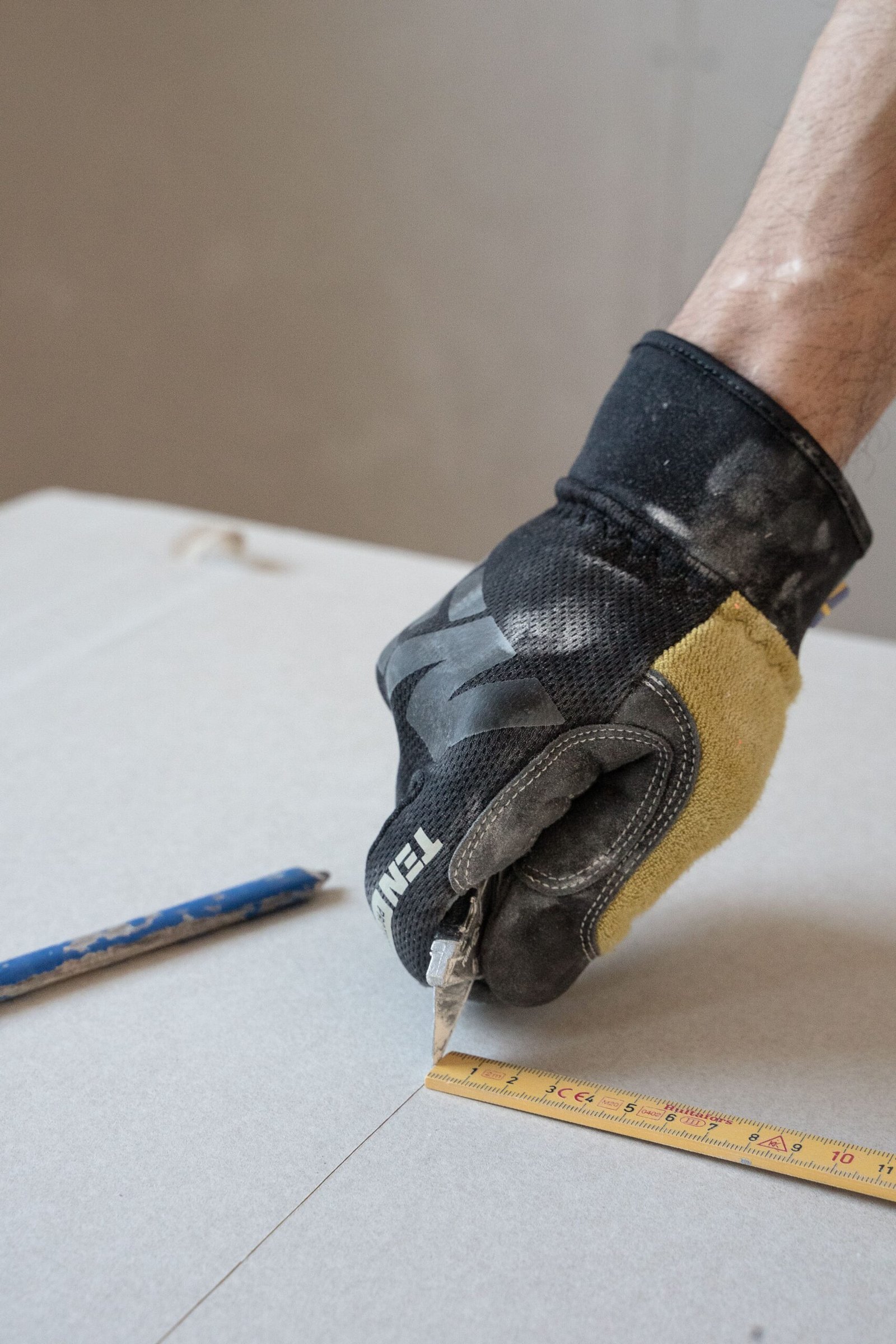
Gypsum board is a panel made primarily from a gypsum core placed between layers of paper or other facing materials.
It is commonly installed on metal or timber framing systems to form interior walls, partitions, and ceilings.
Gypsum board systems may be used for:
- Bedroom partitions
- Office partitions
- Living room ceilings
- Drop ceilings
- Cove lighting
- Decorative ceiling features
- Bulkheads
- Interior wall linings
- Commercial fit-outs
Because gypsum board is relatively lightweight, it can be installed efficiently while creating a smooth surface ready for paint or other finishing treatments.
Why Gypsum Boards Are Popular
1. Clean and Modern Finish
One of the biggest advantages of gypsum board is its ability to create smooth, seamless-looking interior surfaces.
When joints are properly treated, sanded, and painted, the finished ceiling or wall can achieve a clean and minimalist appearance.
This makes gypsum ideal for contemporary, modern, Japandi, Scandinavian, and minimalist interiors.
2. Faster Installation
Compared with masonry partitions, gypsum board systems can often be installed more quickly.
Metal framing is assembled first, followed by board installation, joint treatment, and finishing.
For commercial interiors and renovation projects, faster installation can reduce disruption and help shorten project schedules.
3. Lightweight Construction
Gypsum board partitions are much lighter than concrete hollow block walls.
This can be advantageous for interior non-load-bearing partitions where additional structural weight is unnecessary.
Because the system is lightweight, future layout modifications may also be easier compared with demolishing masonry walls.
4. Flexible Interior Design
Gypsum board can be formed into a variety of ceiling and wall configurations.
Design possibilities may include:
- Recessed ceilings
- Cove lighting
- Floating ceiling effects
- Curved details
- Feature walls
- Hidden curtain pockets
- Concealed lighting systems
This flexibility allows architects and interior designers to create customized spaces without relying entirely on heavy construction materials.
Gypsum Board for Ceilings
Gypsum board is one of the most common materials used for modern ceilings.
It creates a flat, refined surface and can easily accommodate:
- Downlights
- Pendant lights
- Air-conditioning diffusers
- Smoke detectors
- Access panels
- Cove lighting
- Speakers
However, the framing system must be installed correctly to prevent sagging, cracking, or uneven surfaces.
The ceiling should also have appropriate access panels where equipment, valves, or electrical components require future maintenance.
Gypsum Board for Wall Partitions
Gypsum partitions are useful when homeowners or businesses want to divide interior spaces without constructing full masonry walls.
They are commonly used for:
- Offices
- Bedrooms
- Meeting rooms
- Clinics
- Retail spaces
- Hotels
- Condominium interiors
Insulation can also be placed inside the wall cavity to improve acoustic performance.
For areas requiring additional impact resistance or support for heavy fixtures, the framing and board specification should be upgraded appropriately.
Moisture-Resistant Gypsum Board
Standard gypsum board should not be installed indiscriminately in areas exposed to frequent moisture.
Special moisture-resistant boards are available for locations with higher humidity.
However, even moisture-resistant gypsum products should not automatically replace proper waterproofing in wet zones.
Areas such as shower enclosures, continuously wet walls, exposed outdoor locations, and other moisture-intensive spaces require materials and systems specifically designed for those conditions.
The correct board type should always be selected based on the actual environment.
Fire-Resistant Gypsum Boards
Special fire-rated gypsum boards are available for wall and ceiling assemblies requiring improved fire resistance.
These systems are commonly used in commercial spaces, corridors, building separations, and other locations where fire-rated assemblies may be required.
The performance depends on the complete tested system, including:
- Board type
- Number of board layers
- Framing
- Fasteners
- Joint treatment
- Insulation
- Installation method
Simply using a fire-rated board alone does not automatically make an entire wall fire-rated.
Acoustic Performance
Gypsum board systems can provide good sound control when properly designed.
Multiple board layers, acoustic insulation, resilient framing systems, and proper sealing can help reduce sound transmission between spaces.
This makes gypsum partitions useful for:
- Bedrooms
- Home offices
- Meeting rooms
- Clinics
- Hotels
- Entertainment rooms
For projects where privacy is important, acoustic requirements should be considered during the design stage rather than after installation.
Common Gypsum Board Mistakes
Many problems associated with gypsum ceilings and partitions are actually installation issues.
Common mistakes include:
- Incorrect framing spacing
- Using standard boards in moisture-prone areas
- Poor joint treatment
- Inadequate screw spacing
- Hanging heavy fixtures without proper support
- Insufficient ceiling bracing
- Poorly installed access panels
- Failure to coordinate electrical and mechanical systems before closing the ceiling
These issues can result in cracks, sagging, visible joints, or damaged boards.
Proper Framing Matters
Gypsum board is only as reliable as the framing supporting it.
Metal studs, tracks, furring channels, hangers, and other components should be properly installed, aligned, and secured.
Heavy items such as televisions, cabinets, shelves, chandeliers, and air-conditioning equipment may require additional reinforcement or independent structural support.
These requirements should be identified before the wall or ceiling is closed.
Gypsum Board vs. PVC Ceiling
Both materials can be useful, but they serve different priorities.
Gypsum board may be preferred when homeowners want:
- A smooth painted finish
- Customized ceiling details
- Cove lighting
- A premium minimalist appearance
PVC ceiling panels may be preferred where moisture resistance and lower maintenance are greater priorities.
The best choice depends on the location, design, budget, and maintenance expectations.
Is Gypsum Board Worth It?
For many interior applications, yes.
Gypsum boards provide excellent design flexibility, clean appearance, efficient installation, and compatibility with modern lighting and interior systems.
However, good results depend on using the correct product and professional installation.
Choosing a cheap board while ignoring framing quality and workmanship can lead to higher repair costs later.
Why Design and Build Helps
Gypsum ceilings and partitions must be coordinated with electrical wiring, lighting, air-conditioning, plumbing access, cabinetry, and interior design.
Under a Design and Build approach, these elements can be planned before the boards are installed.
This reduces the need to cut or reopen finished ceilings because of forgotten utilities or equipment.
Proper coordination produces cleaner results and better long-term maintainability.
Create Better Interiors with the Right Materials
Gypsum board is a versatile material that can transform ordinary rooms into clean, elegant, and functional interiors. From modern ceilings and lighting features to flexible wall partitions, it offers many possibilities for both residential and commercial projects.
At Nillasca Construction, we carefully coordinate interior finishing systems with architectural design, utilities, framing requirements, and actual site conditions. Our goal is not simply to create attractive interiors but to ensure that the materials used are appropriate, properly installed, and built for long-term performance.
Whether you are constructing a new home, renovating an office, or developing a commercial space, gypsum board can be an excellent solution when used in the right areas and installed correctly.
Choose the right system, invest in proper workmanship, and build interiors that remain clean, functional, and beautiful for years.