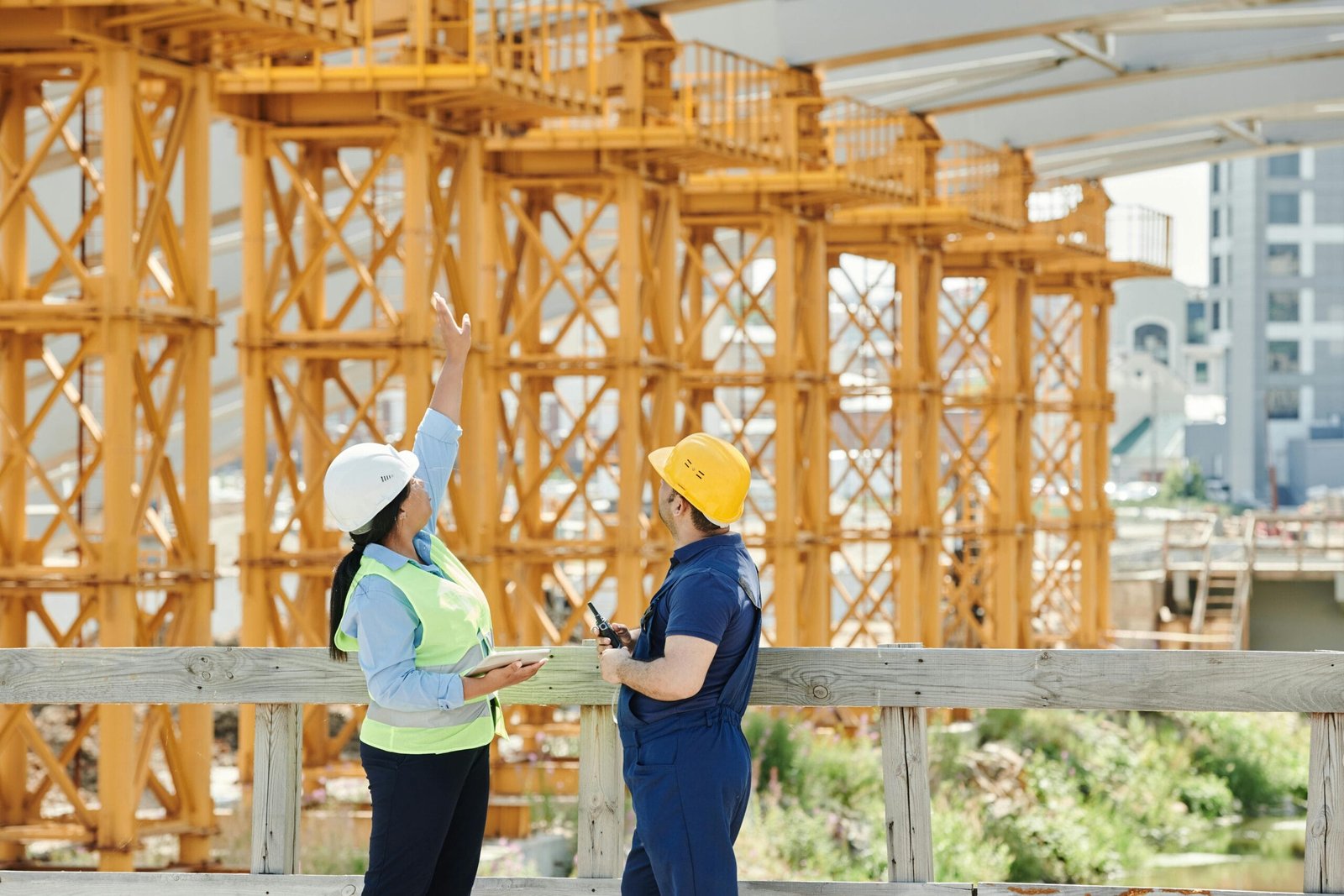

Every successful building begins with a well-planned construction project. Whether you are building a house, developing an apartment complex, or constructing a commercial facility, proper project management is the key to achieving quality results on time and within budget.
For homeowners, future homeowners, real estate brokers, and developers, understanding how a construction plan works is essential. Without proper planning, coordination, and execution, even the best designs can lead to delays, cost overruns, and structural issues.
A construction plan is more than just building—it is a process that requires strategy, discipline, and professional expertise.
What Is a Construction Project?
A construction project refers to the entire process of planning, designing, and building a structure. It involves multiple stages, professionals, and systems working together to transform an idea into a finished building.
A typical construction project includes:
- Pre-construction planning
- Design and engineering
- Permit processing
- Site preparation
- Structural construction
- Finishing works
- Final inspection and turnover
Each phase plays a critical role in ensuring the success of the project.
Key Phases of a Construction Project
1. Pre-Construction Planning
This is the most important stage of the project. It involves defining the scope, preparing the budget, and coordinating with architects and engineers.
Proper planning helps identify potential risks and ensures that the project starts on the right track.
2. Design and Engineering
During this phase, architectural and engineering plans are created. These plans serve as the foundation for construction and must comply with building codes and safety standards.
3. Permit and Compliance
Before construction begins, necessary permits must be secured from local authorities. This ensures that the project meets legal requirements and avoids future complications.
4. Construction Phase
This is where actual building takes place. It includes excavation, foundation works, structural construction, and installation of systems such as electrical and plumbing.
5. Finishing and Turnover
The final phase involves interior finishing, inspections, and preparing the property for turnover to the client.
Why Proper Construction Project Management Matters
1. Prevents Delays
Without proper scheduling and coordination, construction projects can experience delays. Effective project management ensures that each phase is completed on time.
2. Controls Costs
A well-managed construction project follows a structured budget. This prevents unnecessary expenses and ensures financial efficiency.
3. Ensures Quality Workmanship
Project supervision ensures that all work meets professional standards. Proper quality control reduces the risk of defects and future repairs.
4. Improves Communication
Construction projects involve multiple teams. Clear communication between contractors, engineers, and clients ensures that everyone is aligned with project goals.
Common Construction Project Mistakes
Many projects fail due to avoidable errors. Some of the most common mistakes include:
- Starting construction without a clear plan
- Poor cost estimation
- Hiring inexperienced contractors
- Lack of project supervision
- Changing design during construction
These issues often lead to delays, budget overruns, and compromised quality.
Avoiding these mistakes requires proper planning and professional management.
Construction Projects for Different Clients
Homeowners
For homeowners, a well-managed construction project ensures that their dream home is built safely, efficiently, and according to plan.
Future Homeowners
Understanding the construction process helps future homeowners make informed decisions and avoid costly mistakes.
Real Estate Brokers
Brokers benefit from projects that are completed on time and meet quality standards, making properties easier to market.
Property Developers
Developers rely on strong project management to ensure profitability, efficiency, and consistent quality across multiple developments.
The Role of a Professional Construction Company
A construction company plays a central role in managing the entire project. From planning to execution, the contractor ensures that all aspects of construction are coordinated and completed properly.
At Nillasca Construction, we approach every construction project with structured planning, professional execution, and transparent communication. Our goal is to deliver projects that meet client expectations while maintaining quality, efficiency, and compliance.
By combining experience with systematic project management, we help clients avoid common construction problems and achieve successful outcomes.
Construction Projects as Long-Term Investments
A construction project is not just about completing a structure—it is about creating a long-term asset. Proper planning and execution ensure that buildings remain durable, functional, and valuable over time.
Investing in professional construction management reduces risks and increases the overall value of the property.
Final Thoughts
A successful construction project requires more than just labor—it requires planning, coordination, and expertise. From pre-construction to final turnover, every stage must be carefully managed to ensure quality and efficiency.
For homeowners, brokers, and developers, working with a professional construction company is the key to avoiding costly mistakes and achieving long-term success.
Because every great structure begins with a well-managed construction project.