

Construction Scaffolding: The Essential Safety System That Prevents Accidents and Costly Project Delays
Every construction project involves working at different heights—whether it’s building walls, installing ceilings, or applying exterior finishes. To ensure safety and efficiency, one of the most critical systems used on-site is construction scaffolding.
For homeowners observing their projects, future homeowners planning construction, real estate brokers overseeing developments, and property developers managing multiple sites, scaffolding plays a vital role in ensuring that construction is carried out safely and professionally.
While often seen as a temporary structure, scaffolding is a key component of proper construction management. Without it, projects face increased safety risks, reduced efficiency, and potential delays.
What Is Construction Scaffolding?
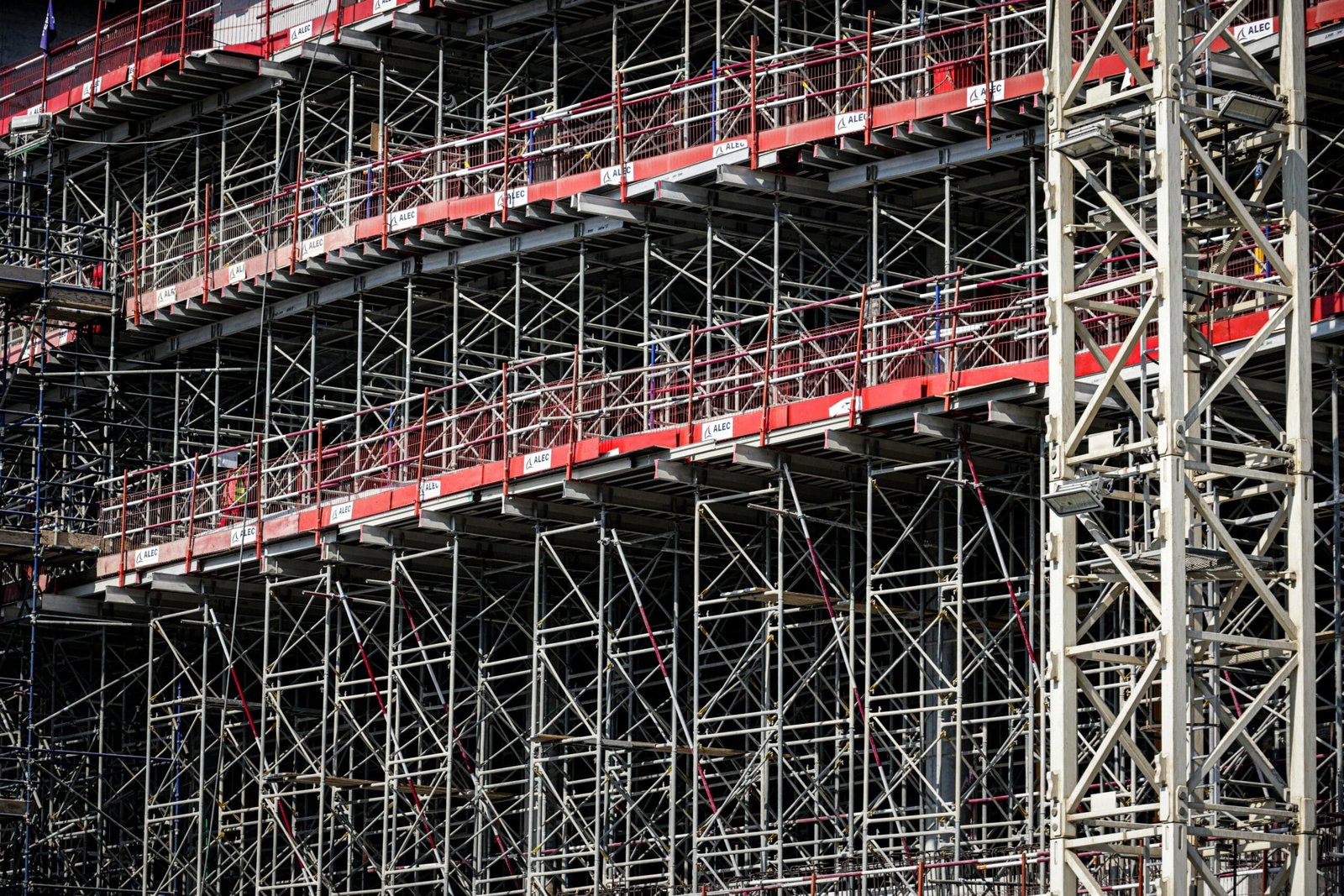
Construction scaffolding is a temporary structure used to support workers and materials during building, maintenance, or repair activities. It provides a stable platform that allows workers to perform tasks at elevated heights safely.
Scaffolding systems are typically made from steel or aluminum and are designed to carry both workers and construction materials.
Common types of scaffolding include:
- Tube and clamp scaffolding
- Frame scaffolding
- Suspended scaffolding
- Mobile scaffolding towers
Each type is selected based on project requirements, building height, and site conditions.
Why Construction Scaffolding Is Important
1. Ensures Worker Safety
Safety is the primary reason for using scaffolding. Construction involves working at heights, which poses risks such as falls and accidents.
Scaffolding provides a secure platform with proper support, reducing the likelihood of injuries on-site.
2. Improves Work Efficiency
With stable platforms, workers can perform tasks more effectively and with better accuracy. This leads to faster completion of activities such as masonry, plastering, painting, and installation works.
3. Supports Heavy Materials
Scaffolding is not only for workers—it also supports tools and materials. This reduces the need for constant lifting and improves workflow efficiency.
4. Provides Access to Difficult Areas
Certain parts of a building are hard to reach without proper support. Scaffolding allows workers to safely access elevated or complex areas of the structure.
Common Scaffolding Mistakes to Avoid
Improper scaffolding setup can create serious risks. Some common mistakes include:
- Using unstable or poorly assembled structures
- Overloading scaffolding platforms
- Lack of proper safety rails and guardrails
- Inadequate inspection and maintenance
- Using low-quality materials
These mistakes can lead to accidents, delays, and additional project costs.
Proper installation and regular inspection are essential for maintaining safety standards.
Construction Scaffolding for Different Clients
Homeowners
Scaffolding ensures that construction work is performed safely, protecting both workers and nearby residents.
Future Homeowners
Understanding the role of scaffolding helps future homeowners appreciate the safety measures involved in building a house.
Real Estate Brokers
Well-organized construction sites with proper scaffolding reflect professionalism and quality management.
Property Developers
For developers managing multiple projects, scaffolding systems are essential for maintaining safety, efficiency, and consistency across sites.
The Role of Professional Contractors in Scaffolding
Scaffolding is not just about assembling metal frames—it requires proper planning, engineering, and supervision. Contractors must ensure that scaffolding systems are correctly installed and comply with safety regulations.
At Nillasca Construction, we prioritize safety in every construction project. Our team ensures that scaffolding systems are properly designed, securely installed, and regularly inspected.
By maintaining high safety standards, we protect both our workforce and the integrity of the project.
Scaffolding as Part of Professional Construction Management
Scaffolding is an essential component of organized construction. It allows for better coordination of tasks, improved productivity, and safer working conditions.
A well-managed scaffolding system contributes to:
- Faster project completion
- Reduced accident risks
- Improved workmanship quality
- Better site organization
For property owners and developers, this translates to smoother project execution and fewer unexpected issues.
Construction Safety as a Long-Term Investment
Investing in proper scaffolding is an investment in safety and efficiency. Accidents not only harm workers but can also lead to project delays and increased costs.
By prioritizing safety systems like scaffolding, contractors ensure that projects are completed responsibly and professionally.
Final Thoughts
Construction scaffolding may be temporary, but its impact on a project is significant. It provides the foundation for safe and efficient work at heights, ensuring that construction activities are carried out properly.
For homeowners, brokers, and developers, understanding the importance of scaffolding highlights the value of working with professional contractors who prioritize safety and quality.
Because in construction, strong support systems—both structural and operational—are essential for success.