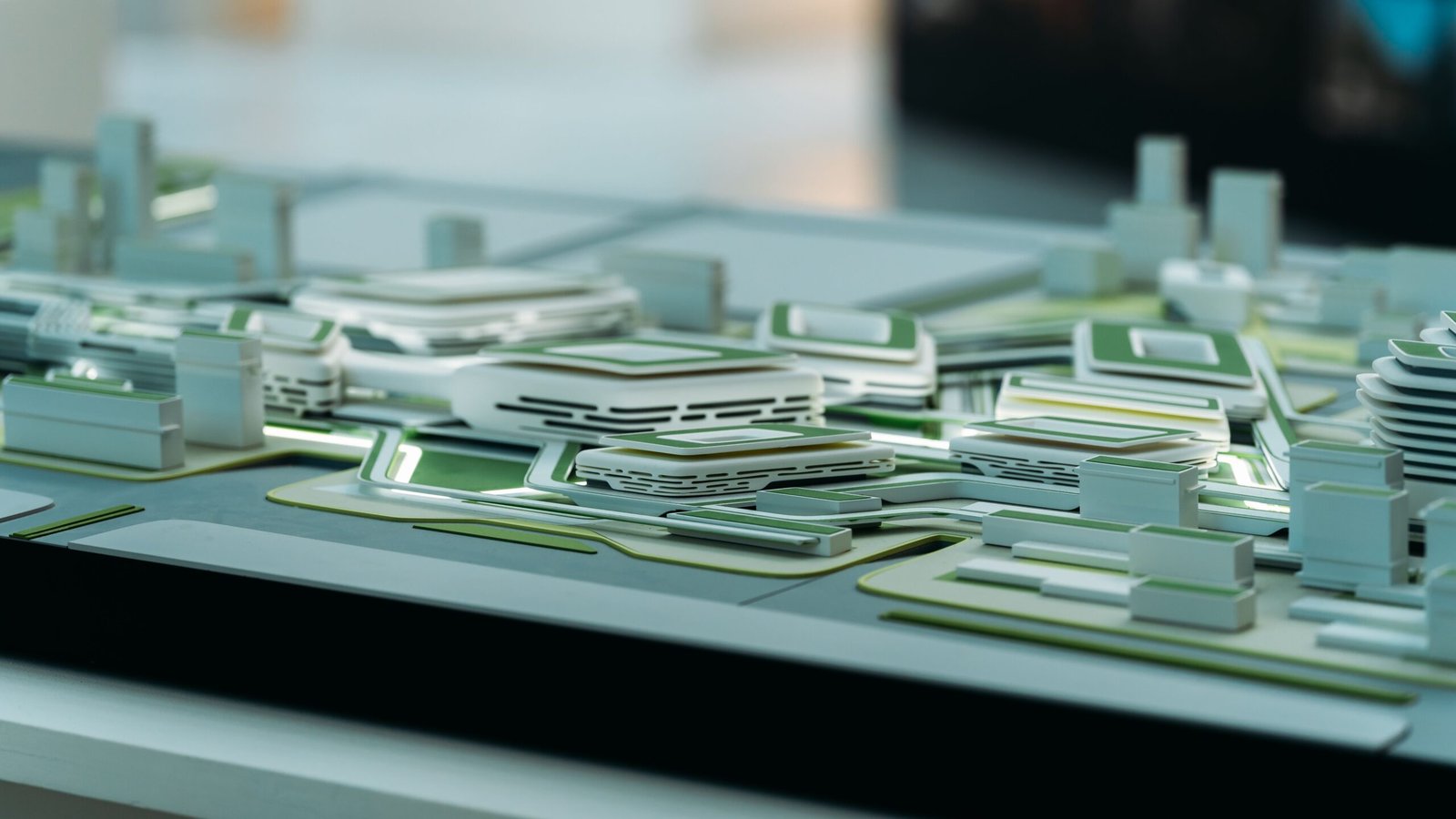

The construction industry is rapidly transforming through technology, and one innovation is changing the way homes, commercial buildings, and large developments are designed and constructed: Building Information Modeling, more commonly known as BIM.
For homeowners, future homeowners, real estate brokers, developers, and investors, Building Information Modeling, represents a smarter way to plan and execute construction projects. Instead of relying solely on traditional 2D drawings, BIM creates a highly detailed digital model that allows architects, engineers, contractors, and clients to visualize, analyze, and coordinate every aspect of a building before construction begins.
As projects become more complex and clients demand greater transparency, Building Information Modeling is becoming one of the most valuable tools in modern construction.
What Is BIM?
Building Information Modeling (BIM) is a digital process that creates an intelligent 3D model containing detailed information about a building’s architectural, structural, electrical, plumbing, mechanical, and construction components.
Unlike traditional drawings that show separate plans and elevations, Building Information Modeling integrates all building systems into a single coordinated model.
This allows project stakeholders to identify issues, make informed decisions, and improve collaboration long before work starts on-site.
Think of Building Information Modeling as a virtual version of the building that can be studied, tested, and refined before investing significant time and money into actual construction.
Why Building Information Modeling Is Becoming Essential in Modern Construction
Construction projects involve numerous professionals working together, including architects, engineers, contractors, suppliers, and project managers.
Without proper coordination, design conflicts can occur, leading to delays, change orders, material waste, and increased costs.
Building Information Modeling helps solve these challenges by providing a centralized model that improves communication and coordination among all project participants.
For property owners, this means fewer surprises and greater confidence throughout the construction process.
Key Benefits of BIM for Homeowners and Developers
1. Better Visualization Before Construction
One of the biggest advantages of Building Information Modeling is the ability to see the project in three dimensions before construction begins.
Clients can explore spaces, understand room layouts, evaluate design features, and visualize the finished structure with greater clarity than traditional plans allow.
This helps homeowners make informed decisions early in the process and reduces the likelihood of costly design revisions later.
2. Detecting Problems Before They Become Expensive
One of the most powerful features of Building Information Modeling is clash detection.
The system can identify conflicts between structural, electrical, plumbing, and mechanical components before construction starts.
For example, BIM can reveal situations where pipes intersect with beams or electrical conduits interfere with other building systems.
Resolving these issues digitally is significantly less expensive than correcting them during construction.
3. Improved Cost Control
Budget overruns remain one of the most common concerns in construction.
Because BIM provides detailed project information, it can improve quantity takeoffs, material estimation, and project planning.
This level of accuracy helps property owners make more informed financial decisions and reduces the risk of unexpected expenses.
Developers and investors particularly benefit from improved budget forecasting and project feasibility analysis.
4. Faster Project Delivery
When all disciplines work from the same coordinated model, communication becomes more efficient and decision-making accelerates.
Fewer design conflicts, improved coordination, and streamlined workflows help reduce delays during construction.
For developers, faster project completion can lead to earlier occupancy and quicker returns on investment.
5. Better Collaboration Among Project Teams
Traditional projects often involve separate drawings and documentation from multiple consultants.
BIM encourages collaboration by allowing architects, engineers, and construction professionals to work within a unified digital environment.
This coordinated approach improves project accuracy and reduces misunderstandings throughout the design and construction phases.
Who Benefits from BIM?
BIM offers advantages across virtually every type of construction project, including:
- Residential Homes
- Luxury Houses
- Townhouse Developments
- Apartment Buildings
- Commercial Establishments
- Mixed-Use Developments
- Warehouses
- Hotels and Resorts
- Institutional Buildings
Whether the project is a single-family residence or a large-scale development, BIM can improve planning, coordination, and overall project performance.
Common Misconceptions About BIM
Many people assume BIM is only useful for large commercial projects. In reality, homeowners can benefit significantly from BIM because it helps them better understand their future home and reduces the likelihood of costly construction errors.
Another misconception is that BIM simply creates attractive 3D renderings. While visualization is an important feature, BIM goes far beyond aesthetics. It serves as a comprehensive project management and coordination tool that improves decision-making throughout the building lifecycle.
Why BIM Represents the Future of Construction
The construction industry is increasingly focused on efficiency, transparency, and risk reduction. BIM supports all three objectives by enabling better planning, stronger collaboration, and more accurate project execution.
As technology continues to advance, BIM is expected to become a standard practice for residential, commercial, and industrial construction projects throughout the Philippines and around the world.
At Nillasca Construction, we embrace innovative technologies that help deliver better outcomes for our clients. By incorporating modern planning and coordination tools such as BIM, we can identify potential challenges early, improve project efficiency, and provide clients with greater confidence throughout the construction process.
Whether you are building your dream home, developing an investment property, or planning a commercial project, BIM offers a smarter path toward successful construction. In today’s competitive market, the ability to see, coordinate, and optimize a project before construction begins is no longer a luxury—it is a powerful advantage.