
When building a home or commercial property, it is easy to become focused on finishes such as tiles, paint colors, ceilings, cabinetry, lighting, and exterior design. These elements are important, but they are not what makes a building safe.
The true strength of any property lies in its structural construction.
Foundations, columns, beams, slabs, reinforcement, and other structural elements work together to carry the building’s loads and transfer them safely to the ground. Once these components are covered by walls and finishes, they are difficult and expensive to modify.
That is why quality structural construction work should always be treated as one of the highest priorities in any construction project.
Whether you are a homeowner building your dream house, an investor developing apartments, or a developer planning a commercial property, understanding structural construction helps protect both your investment and the people who will use the building.
What Is Structural Construction?
Structural construction refers to the construction of the load-bearing components that give a building its strength, stability, and ability to support itself.
Depending on the project, structural components may include:
- Foundations
- Footings
- Columns
- Beams
- Suspended slabs
- Ground slabs
- Retaining walls
- Structural walls
- Staircases
- Roof framing
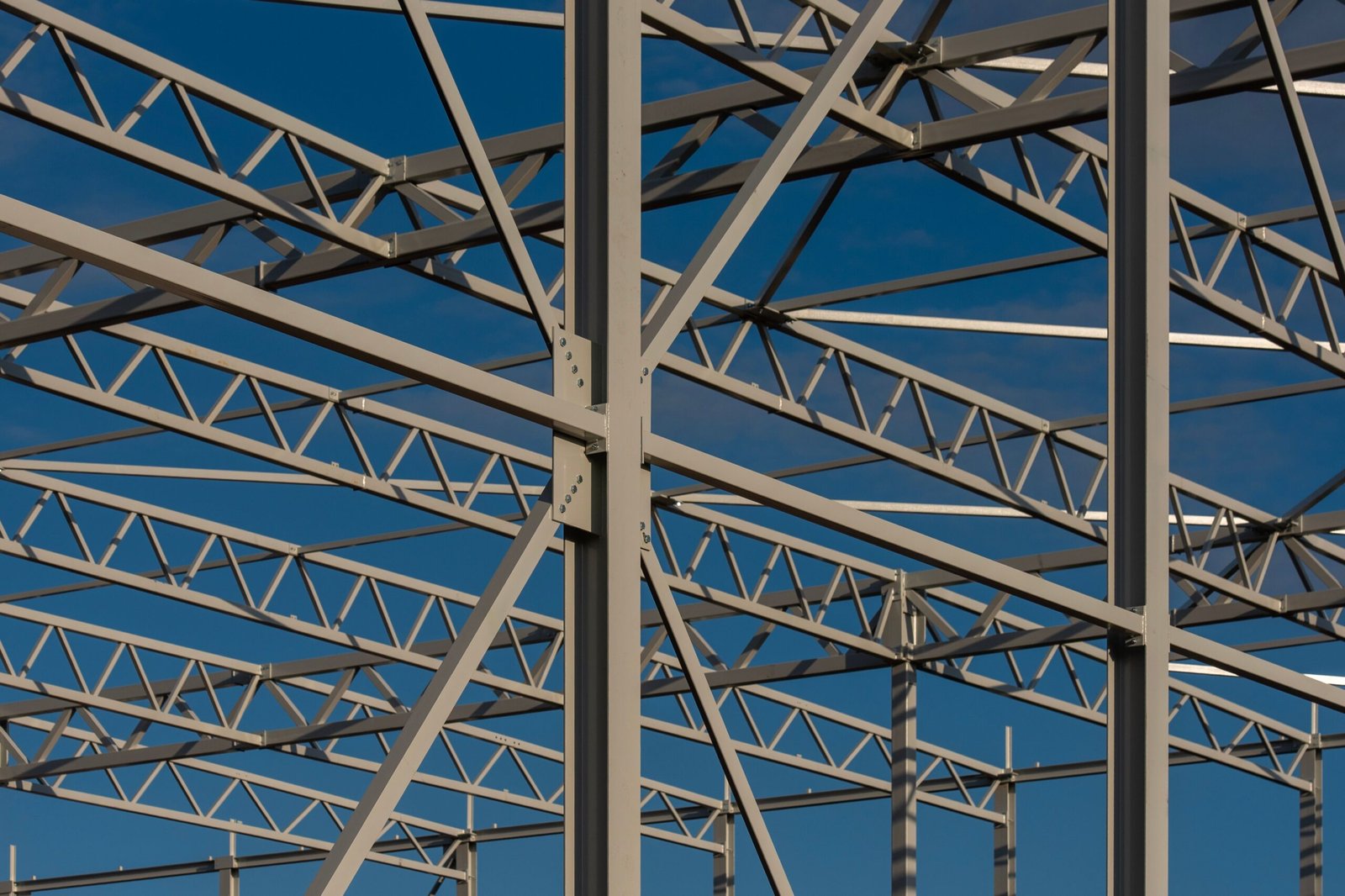
- Steel structures
These components must be properly designed and constructed according to the project’s structural plans and engineering requirements.
Why Structural Construction Is So Important
1. Protects Building Occupants
The most important purpose of structural design is safety.
A properly engineered structure is designed to carry its own weight as well as loads from occupants, furniture, equipment, roofs, and other building components.
Depending on the location and building type, structural engineers also consider environmental forces such as wind and seismic activity.
Quality structural construction helps ensure that the finished building performs as intended.
2. Supports the Entire Building
Every architectural element eventually relies on the structural system.
Walls, doors, windows, roofing, ceilings, tiles, and fixtures may look like separate components, but the structure beneath them supports the overall building.
Problems in the structural system can affect many other parts of the property.
For example, excessive movement or settlement may contribute to cracking, misaligned openings, or damaged finishes.
3. Prevents Expensive Future Repairs
Structural Construction problems are among the most serious and costly issues a building owner can encounter.
Finishes can usually be replaced. Paint can be reapplied. Tiles can be changed.
Repairing inadequate foundations, damaged beams, or poorly constructed reinforced concrete is far more complicated.
Investing in correct structural work from the beginning is often much more economical than trying to correct major defects later.
Main Components of Structural Construction
Foundations and Footings
The foundation transfers the building’s load to the soil.
Its design depends on factors such as:
- Soil conditions
- Building weight
- Number of storeys
- Structural system
- Site characteristics
This is why foundation sizes should not simply be copied from another project.
Columns
Columns are vertical structural elements that transfer loads from upper floors and beams toward the foundation.
Proper reinforcement, concrete placement, alignment, and dimensions are essential.
Beams
Beams generally carry loads from slabs and other building components toward columns or supporting walls.
Poorly executed beams may result in structural concerns that can affect the overall performance of the building.
Concrete Slabs
Slabs form floors, roof decks, balconies, and other horizontal surfaces.
The reinforcement, thickness, concrete strength, support conditions, and curing must follow the approved structural design.
Why Reinforcement Matters
Reinforced concrete combines concrete and steel reinforcement.
Concrete performs well under compression, while reinforcing steel helps resist tensile forces.
Rebars must therefore be installed according to structural drawings, including requirements for:
- Bar diameter
- Quantity
- Spacing
- Development length
- Lap splices
- Concrete cover
- Hooks and anchorage
Changing reinforcement on-site without appropriate engineering review can affect the intended structural performance.
The Importance of Concrete Quality
Concrete quality plays a major role in structural durability.
Important factors include:
- Correct concrete mix
- Required compressive strength
- Proper water-cement ratio
- Adequate mixing
- Correct placement
- Proper vibration or consolidation
- Sufficient curing
Adding excessive water on-site simply to make concrete easier to place can reduce strength and durability.
Proper quality control should therefore be maintained during every concrete pour.
Why Curing Should Never Be Rushed
Concrete does not reach full performance immediately after placement.
Proper curing helps concrete maintain the moisture necessary for strength development and reduces the risk of premature cracking.
Construction schedules should respect required curing procedures instead of rushing subsequent activities simply to save time.
Quality structural construction is about doing each stage correctly, not simply completing it quickly.
Site Conditions Matter
A structural design that works for one property may not be suitable for another.
Different sites may have:
- Soft soil
- Sloping terrain
- High groundwater
- Fill materials
- Existing retaining conditions
- Drainage concerns
Professional site evaluation and, where required, geotechnical investigation help engineers make better foundation and structural decisions.
Common Structural Construction Mistakes
Some of the most serious construction problems can result from:
- Using reinforcement different from approved plans
- Insufficient concrete cover
- Poor rebar installation
- Weak concrete mixtures
- Incorrect column or beam dimensions
- Inadequate curing
- Poor formwork
- Honeycombing
- Improper construction joints
- Unauthorized structural changes
- Removing supports too early
Strict supervision and quality inspections help reduce these risks.
Structural Construction Work Should Match the Architectural Design
Structural engineering should not be treated separately from architecture.
Columns, beams, stairs, roof framing, and foundations must support the architectural design without unnecessarily reducing functionality.
Good coordination can prevent situations where:
- Columns interfere with rooms
- Beams conflict with ceilings
- Structural members obstruct windows
- Plumbing lines pass through critical structural elements
This is one of the major advantages of integrated Design and Build planning.
Never Choose Structural Work Based Only on Price
When comparing construction quotations, the lowest price may not always represent the best value.
A cheaper structural quotation may involve different assumptions regarding concrete strength, reinforcement, materials, supervision, or scope.
Property owners should compare specifications, quantities, engineering requirements, and workmanship—not simply the final amount.
Saving money on decorative finishes may be manageable. Compromising structural quality can create far greater consequences.
Build the Structure Right Before the Finishes
Beautiful architecture matters, but the finishes people see every day rely on the structural work they rarely see.
At Nillasca Construction, we believe that quality construction begins with proper engineering, material selection, supervision, and careful execution of structural works. Through our Design and Build process, structural requirements are coordinated with architecture, cost planning, and actual site conditions before and during construction.
Whether you’re planning a one-storey family home, multi-storey residence, apartment, resort, or commercial building, structural quality should always come first.
A building can be renovated and redesigned over time, but its structural foundation must be built correctly from the beginning. Invest in the parts of your property that matter most—build strong, build safely, and build for the future.