
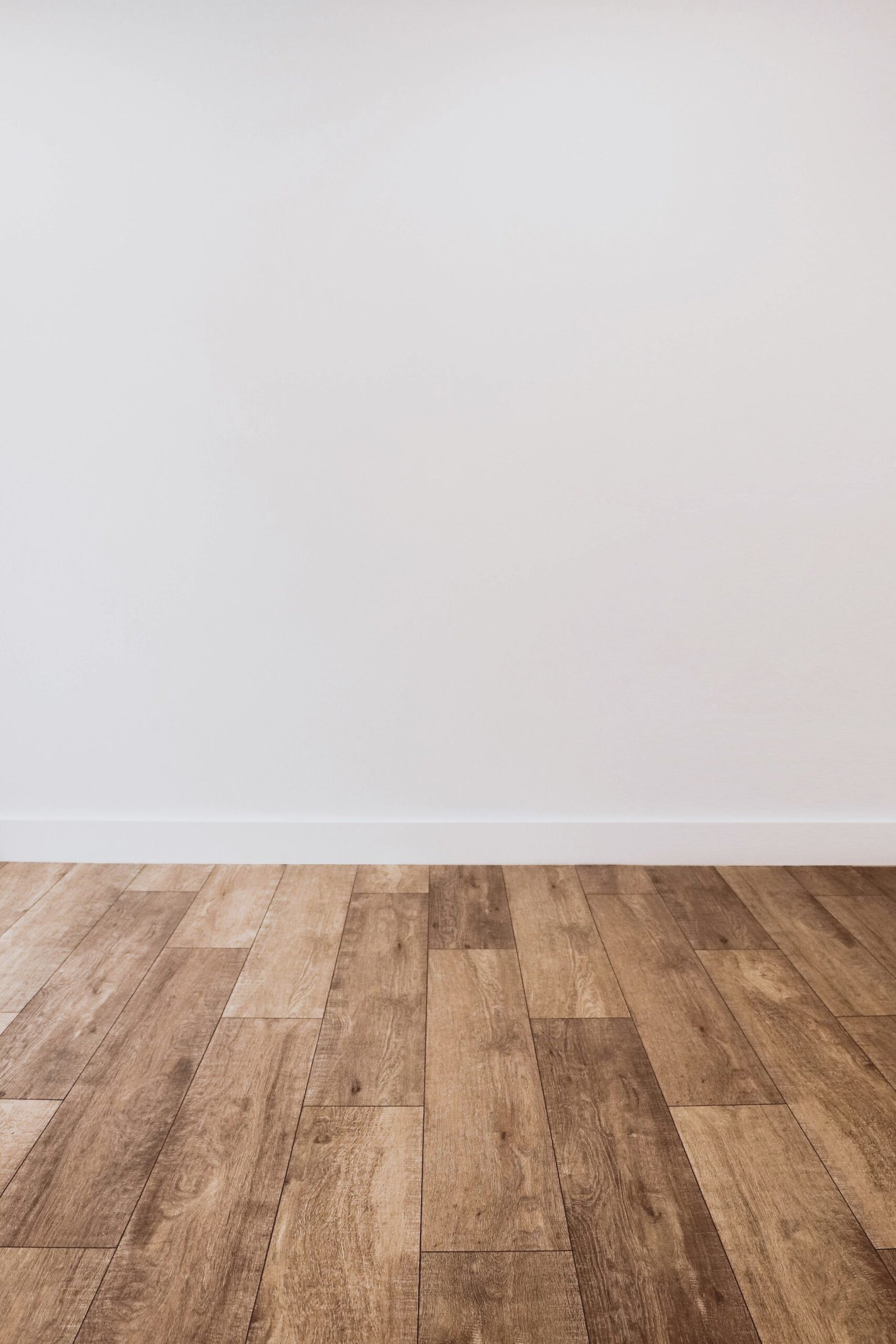

Flooring plays an important role in the appearance, comfort, maintenance, and overall character of a home. While ceramic and porcelain tiles remain popular choices in Philippine construction, many homeowners are now exploring alternative materials that provide a warmer and more contemporary appearance.
One option is SPC flooring, or Stone Plastic Composite flooring.
SPC flooring is commonly selected for bedrooms, living areas, offices, condominium units, and other interior spaces because it combines the appearance of wood with a rigid core and relatively convenient installation system.
However, SPC flooring should not be chosen based on appearance alone. Product quality, thickness, wear layer, subfloor preparation, installation, moisture conditions, and intended use all affect its long-term performance.
For homeowners, future homeowners, developers, brokers, and property investors, understanding SPC flooring in the Philippines can help determine whether it is the right finishing material for a particular project.
What Is SPC Flooring?
SPC stands for Stone Plastic Composite or Stone Polymer Composite, terminology that may vary among manufacturers.
It is a type of rigid flooring composed of multiple layers.
Depending on the manufacturer, a typical SPC plank may include:
- Protective wear layer
- Decorative printed layer
- Rigid SPC core
- Integrated underlayment on some products
The decorative layer allows SPC flooring to reproduce the appearance of materials such as natural wood, stone, or other finishes.
Wood-look designs are particularly popular because they can create a warmer interior atmosphere without using traditional hardwood flooring.
Why Is SPC Flooring Becoming Popular?
Modern homeowners increasingly look for materials that balance appearance, durability, installation time, and maintenance.
SPC flooring can complement popular interior styles such as:
- Minimalist
- Japandi
- Scandinavian
- Contemporary
- Modern Tropical
- Industrial
Its wood-look appearance can soften interiors dominated by concrete, white walls, glass, and neutral finishes.
1. Attractive Wood-Look Appearance
One of the biggest reasons homeowners choose SPC flooring is aesthetics.
Modern manufacturing can reproduce different wood tones and grain patterns, including:
- Light oak
- Natural oak
- Walnut
- Gray wood
- Dark timber
- Warm beige wood tones
This gives homeowners flexibility when coordinating flooring with cabinetry, doors, furniture, and wall colors.
For minimalist and Japandi interiors, light natural wood tones are particularly attractive because they create a clean and relaxing atmosphere.
2. Water-Resistant Characteristics
Many SPC flooring products are marketed as highly water-resistant or waterproof at the plank level.
This can make them practical for certain interior environments where occasional spills may occur.
However, homeowners should understand an important distinction:
Water-resistant flooring does not mean the entire floor assembly is automatically waterproof.
Water can still potentially enter through edges, joints, walls, or underneath the flooring depending on installation conditions.
SPC flooring should never be used as a substitute for proper waterproofing in areas that require a dedicated waterproofing system.
3. Durable for Everyday Residential Use
SPC has a rigid core that can provide good dimensional stability and resistance to everyday wear when an appropriate product is selected and installed correctly.
The protective wear layer helps protect the decorative surface from normal foot traffic.
However, durability varies significantly among products.
Homeowners should evaluate more than the overall plank thickness. Product specifications, wear layer, locking system, warranty, manufacturer reputation, and intended use should all be considered.
4. Comfortable Residential Appearance
Traditional tile flooring can create a clean and durable interior, but some homeowners prefer the visual warmth of wood.
SPC provides another option.
It can be particularly suitable for:
- Bedrooms
- Walk-in closets
- Family rooms
- Home offices
- Living rooms
- Condominium interiors
The finished appearance can make these areas feel warmer and more residential.
SPC Flooring for Bedrooms
Bedrooms are among the most common areas where SPC flooring can work well.
Wood-look flooring pairs naturally with:
- Neutral walls
- Warm lighting
- Built-in wardrobes
- Upholstered furniture
- Wood cabinetry
For homeowners who want bedrooms to feel different from tiled common areas, SPC can create a softer visual transition.
SPC Flooring for Living Rooms
SPC flooring may also be considered for living and family areas.
Using the same flooring continuously across connected spaces can create a more unified interior.
In open-plan homes, SPC may extend through the living and dining areas where appropriate, creating a consistent design language.
Furniture protection should still be considered to reduce scratching or concentrated loads on the finished surface.
Is SPC Flooring Suitable for Bathrooms?
This requires careful consideration.
Even if an SPC product itself has strong resistance to water, bathrooms contain floor drains, plumbing penetrations, frequent water exposure, and waterproofing requirements.
Traditional wet-area systems using appropriate waterproofing and suitable floor finishes may be more appropriate depending on the bathroom design.
SPC should never be treated as the waterproofing layer underneath a bathroom.
Always follow the manufacturer’s approved applications and project specifications.
SPC Flooring vs. Ceramic or Porcelain Tiles
Both materials have advantages.
SPC Flooring
Potential advantages include:
- Wood-look appearance
- Relatively quick installation
- Comfortable residential aesthetic
- Numerous designs
- Rigid plank construction
Tiles
Potential advantages include:
- Excellent durability
- Strong moisture performance when part of a properly designed system
- Suitable options for wet areas
- Wide range of indoor and outdoor products
- Long service life when correctly installed
The better choice depends on the room and homeowner’s priorities.
Some houses combine both materials—for example, porcelain tiles in living, kitchen, and wet areas, with SPC flooring in bedrooms.
SPC Flooring vs. Laminated Flooring
SPC and laminate flooring can look similar, especially when both reproduce natural wood.
However, their core materials and performance characteristics differ.
SPC typically uses a rigid composite core, while traditional laminate products generally use a wood-fiber-based core.
Water resistance, sound, feel, thickness, and installation characteristics can vary by product.
Instead of comparing only the appearance, homeowners should compare the technical specifications and warranties.
Subfloor Preparation Is Critical
One of the biggest misconceptions about SPC flooring is that it can hide an uneven floor.
It cannot solve major substrate problems.
The surface underneath should generally be:
- Clean
- Dry
- Stable
- Smooth
- Properly prepared
- Within the manufacturer’s flatness tolerances
If the substrate has significant high and low areas, the SPC planks may move excessively or place unnecessary stress on the locking joints.
Good flooring begins with good preparation.
Check Moisture Conditions
Moisture conditions should be evaluated before installation, particularly over concrete slabs.
Even when the plank material itself resists water, excessive moisture underneath the flooring can create other problems.
The installation team should follow the manufacturer’s moisture requirements and recommendations.
Water leaks from plumbing or exterior sources should be repaired before flooring installation.
Never cover an existing moisture problem simply to finish the project faster.
Expansion Gaps Matter
Floating SPC flooring systems generally require appropriate perimeter allowances according to the manufacturer’s installation requirements.
These spaces are normally concealed by:
- Baseboards
- Skirting
- Trims
Ignoring installation requirements can affect flooring performance.
Installers should follow the specifications for the particular product rather than applying one method to every brand.
The Locking System Matters
Many SPC flooring products use click-lock systems that allow individual planks to connect without being permanently bonded to the entire floor.
The quality of these joints is important.
Poor installation or damaged locking edges may lead to:
- Visible gaps
- Movement
- Uneven joints
- Premature failure
Workers should avoid forcing damaged planks into position simply to reduce material waste.
Wear Layer and Product Quality
When comparing SPC flooring, homeowners often focus only on plank thickness.
However, overall thickness is only one consideration.
The wear layer protects the printed decorative surface from normal traffic and abrasion.
Higher-traffic environments may require products designed for greater wear.
For rental properties and commercial applications, product durability should be matched to expected usage rather than selected only by appearance.
Underlayment
Some SPC products include attached underlayment, while others may require a separate system depending on manufacturer specifications.
Underlayment may influence:
- Sound
- Comfort
- Installation
- Minor surface accommodation
However, adding extra underlayment when it is not recommended can potentially affect the locking system.
Always follow the flooring manufacturer’s installation instructions.
SPC Flooring and Direct Sunlight
Large windows and glass doors can expose flooring to strong sunlight and elevated surface temperatures.
Product performance under these conditions varies.
Homeowners should check the manufacturer’s recommendations for areas receiving intense direct sunlight.
Curtains, blinds, exterior shading, or appropriate glazing can also help control solar exposure.
Maintenance of SPC Flooring
One advantage of SPC flooring is relatively simple routine maintenance.
Typical care may include:
- Sweeping
- Vacuuming
- Damp cleaning
- Removing spills promptly
- Using manufacturer-approved cleaning products
Avoid unnecessarily flooding the floor with water.
Furniture legs may also be fitted with protective pads to reduce scratches.
Dragging heavy furniture directly across the flooring should be avoided.
Common SPC Flooring Mistakes
Homeowners and contractors should avoid:
- Installing over severely uneven floors
- Ignoring moisture conditions
- Choosing products based only on appearance
- Buying only by overall thickness
- Ignoring wear-layer specifications
- Poor installation of locking joints
- Ignoring perimeter requirements
- Using SPC as a substitute for waterproofing
- Installing unsuitable products in exposed outdoor locations
- Not keeping spare planks for future repairs
Many flooring problems blamed on the material are actually related to poor product selection or installation.
Keep Extra SPC Planks
Just like tiles, keeping spare flooring after construction is a practical idea.
Designs and production batches can change over time.
If a section becomes damaged several years later, having matching spare planks may make repairs significantly easier.
Store them properly in a dry and protected location.
SPC Flooring for Build-and-Sell Properties
For developers, SPC flooring can help create attractive interiors without necessarily using natural hardwood.
Wood-look floors photograph well and can complement neutral interiors used for property marketing.
However, product selection should match the target market.
A rental property with high tenant turnover may require a different specification from a premium private residence.
Durability and replacement availability should be considered alongside initial cost.
Is SPC Flooring Expensive?
The cost varies depending on:
- Brand
- Thickness
- Wear layer
- Design
- Underlayment
- Product quality
- Installation
- Floor preparation
- Trims and accessories
When comparing quotations, clients should confirm what is actually included.
A cheaper flooring package may exclude surface preparation, trims, transitions, or other installation requirements.
The lowest price per square meter does not always represent the lowest completed cost.
When Should SPC Flooring Be Installed?
SPC flooring is generally part of the finishing stage.
Major wet and dusty construction activities should ideally be completed before installation.
The construction team should coordinate flooring with:
- Painting
- Doors
- Cabinets
- Baseboards
- Electrical finishing
- Built-in furniture
Proper sequencing helps prevent newly installed flooring from being damaged by remaining construction activities.
Why Design and Build Helps
Flooring should not be selected independently from the rest of the house.
Under a Design and Build approach, flooring can be coordinated with:
- Wall colors
- Cabinetry
- Doors
- Ceilings
- Furniture
- Lighting
- Floor elevations
- Construction budget
This allows homeowners to see how SPC flooring contributes to the complete interior rather than choosing a material simply because it looks attractive in a showroom.
Choose Flooring Based on How You Live
SPC flooring can be an excellent option for homeowners who want a modern wood-look interior with practical maintenance characteristics.
However, no flooring material is perfect for every location.
The right choice depends on the room, expected traffic, moisture exposure, substrate condition, interior style, product quality, and budget.
At Nillasca Construction, we believe finishing materials should be selected according to both design and actual performance requirements. Through our Design and Build approach, flooring choices are coordinated with the overall architectural concept, interior finishes, construction details, and project budget.
Whether you are planning a minimalist bungalow, Japandi-inspired home, contemporary two-storey residence, apartment, office, or build-and-sell property, SPC flooring can provide a clean and modern finish when the right product is properly installed.
Good flooring is not simply about choosing what looks beautiful. It is about choosing the right material for the right space—and preparing and installing it correctly.