
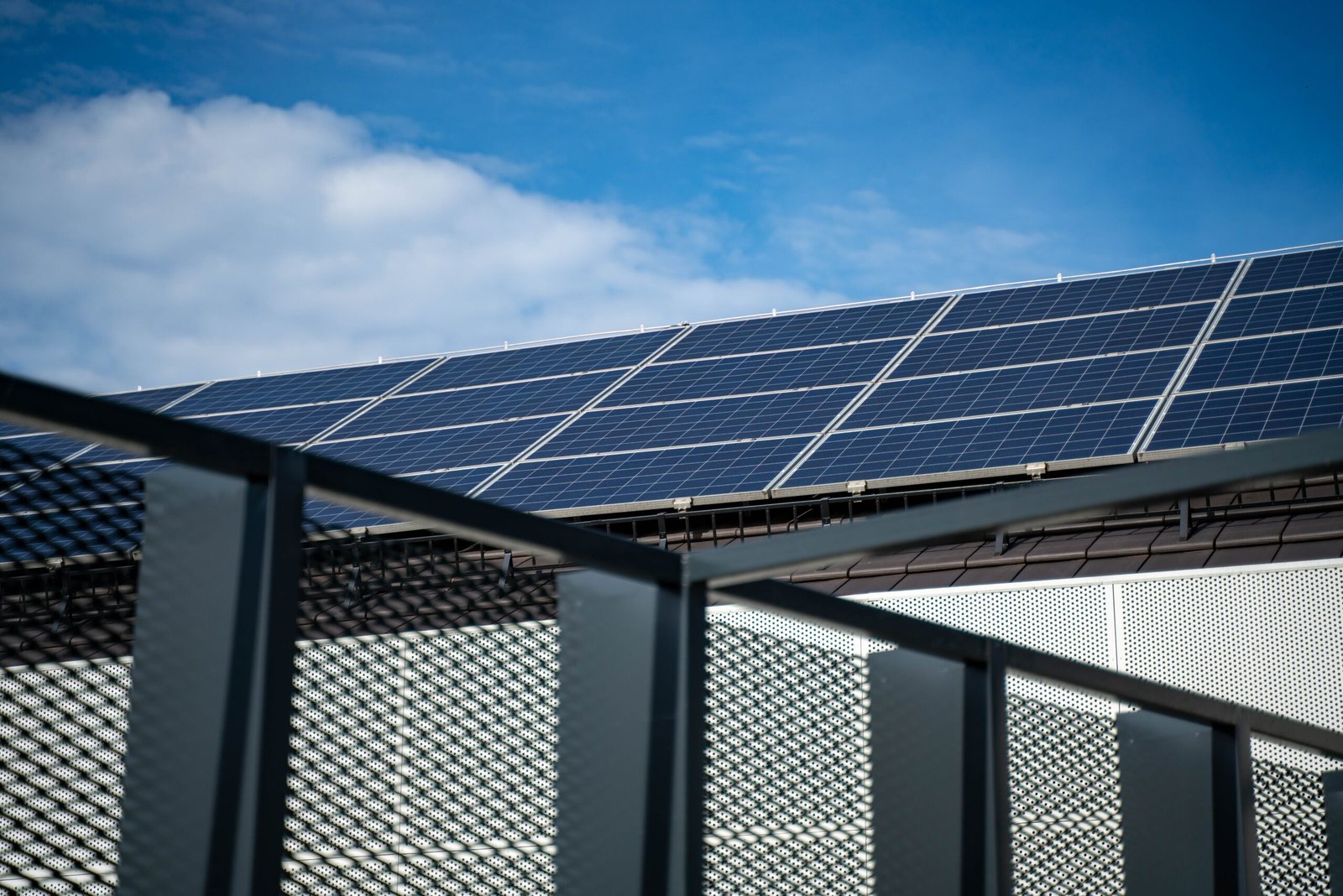

Electricity is an important part of modern home design. Air conditioners, refrigerators, televisions, computers, water pumps, kitchen appliances, security systems, and smart-home devices all contribute to household electricity consumption.
For homeowners looking for ways to generate part of their own electricity, solar panels in the Philippines have become an increasingly practical option.
The country’s access to sunlight creates opportunities for residential photovoltaic systems, but installing solar is not simply a matter of covering the roof with as many panels as possible.
A successful solar system should be designed around the household’s actual electricity consumption, roof conditions, available sunlight, electrical system, budget, and desired level of backup capability.
Understanding these factors before purchasing equipment can help homeowners avoid oversized, undersized, or poorly coordinated solar installations.
What Is a Solar Panel?
A photovoltaic solar panel converts sunlight into electrical energy.
A residential solar installation typically includes more than the panels themselves.
Depending on the system, components may include:
- Solar panels
- Mounting system
- Inverter
- DC protection
- AC protection
- Disconnects
- Cables
- Monitoring equipment
- Metering equipment
- Batteries for applicable systems
These components need to work together as one properly designed electrical system.
How Does a Basic Grid-Connected Solar System Work?
During daylight hours, solar panels produce DC electricity. An inverter converts this into AC electricity suitable for household loads.
When solar production is lower than household demand, additional electricity can be supplied by the utility grid. Depending on the approved system and metering arrangement, excess solar generation may potentially be exported according to applicable rules and utility requirements.
A solar installation should therefore be understood as a complete energy system rather than simply a collection of roof panels.
1. Solar Can Reduce Electricity Purchased From the Grid
One of the primary reasons homeowners install solar is to reduce the amount of electricity purchased from their utility provider.
During sunny periods, the house can use electricity generated by the solar array.
Homes with significant daytime consumption may particularly benefit because more solar energy can potentially be consumed directly while it is being generated.
Daytime loads may include:
- Air conditioning
- Refrigerators
- Computers
- Water pumps
- Appliances
- Home offices
The actual savings depend on system production, consumption patterns, electricity rates, equipment performance, and other factors.
2. Solar Can Be Planned During House Construction
One of the best times to consider solar is before the house is completed.
A solar-ready design can coordinate:
- Roof orientation
- Roof area
- Structural support
- Electrical conduits
- Inverter location
- Panel-board provisions
- Grounding
- Equipment access
Planning these requirements early can reduce the need for visible conduits and unnecessary modifications later.
Even if solar panels will not be installed immediately, the house can still be designed with future installation in mind.
3. Different Solar Systems Serve Different Goals
Not every homeowner needs the same type of system.
Three commonly discussed arrangements are grid-tied, hybrid, and off-grid.
Grid-Tied Solar
A grid-connected system operates together with the utility supply.
It can be suitable for homeowners whose main objective is reducing grid electricity consumption.
A conventional grid-tied system normally requires appropriate anti-islanding protection and should not be assumed to provide electricity during a grid outage.
Hybrid Solar
A hybrid system can incorporate solar panels, grid supply, compatible inverter equipment, and battery storage.
Depending on the system design, selected loads may continue operating during outages.
Hybrid systems are attractive to homeowners who want both energy savings and some backup capability.
Off-Grid Solar
An off-grid system is designed to operate independently of the utility grid.
It generally requires careful sizing of:
- Solar array
- Battery storage
- Inverter
- Backup generation where applicable
Off-grid design needs to consider periods of poor solar production as well as normal sunny-day operation.
4. Solar System Size Should Be Based on Actual Loads
A common mistake is choosing a solar system based only on a package advertisement.
For example, a homeowner may immediately ask for a 5 kW, 8 kW, or 10 kW system without first understanding the house’s electricity use.
A better starting point is a load assessment.
Review appliances such as:
- Air conditioners
- Refrigerators
- Water heaters
- Pumps
- Computers
- Televisions
- Kitchen equipment
- Lighting
Electricity bills can also provide useful historical consumption information.
The objective is to match the solar system to the household rather than forcing the household to match a predetermined package.
5. Roof Design Has a Major Impact on Solar Performance
The roof affects how many panels can be installed and how effectively they can receive sunlight.
Important factors include:
- Orientation
- Roof slope
- Available area
- Shading
- Roof geometry
- Structural capacity
- Maintenance access
Trees, adjacent buildings, parapets, tanks, and other roof elements can create shading.
Even partial shading can affect system performance depending on panel layout and inverter architecture.
This is why panel placement should be planned rather than simply filling every available roof surface.
Roof Structure Matters
Solar panels and mounting systems add load to the roof.
The existing structure should be appropriately evaluated before installation, particularly on older buildings or roofs where structural information is uncertain.
For new houses, solar requirements can be considered during structural design.
Mounting systems should also be appropriate for the specific roofing material.
6. Batteries Can Provide Backup—but They Change the System
Solar panels and batteries perform different functions.
Panels generate electricity when adequate sunlight is available.
Batteries store electrical energy for later use.
A battery system may provide energy during:
- Nighttime
- Grid interruptions
- Periods when solar production is insufficient
However, battery storage increases system cost and introduces additional design considerations.
Battery capacity should therefore be selected according to the intended backup loads and desired operating time.
Prioritize Critical Loads
Instead of attempting to run the entire house during a blackout, homeowners may choose to prioritize essential loads such as:
- Lights
- Refrigerator
- Wi-Fi
- CCTV
- Selected outlets
- Electric fans
Larger loads such as multiple air conditioners can require substantially greater inverter and battery capacity.
Defining critical loads can make a backup system more practical and economical.
7. Solar Can Support Long-Term Energy Planning
A properly designed solar system can become part of a broader energy strategy for the house.
Future loads may include:
- Additional air conditioning
- Electric water heating
- Water pumps
- Home office equipment
- Electric vehicle charging
Homeowners planning these additions should communicate them during system design.
Installing a solar system based only on today’s consumption may result in insufficient capacity when the household changes later.
8. Solar Can Add a Practical Feature to Modern Homes
Solar can be integrated into Contemporary, Minimalist, Modern Tropical, and other modern residential projects without compromising the architectural design.
Good coordination can help conceal or organize:
- Electrical conduits
- Inverter equipment
- Disconnects
- Cables
- Monitoring devices
Panels can also be positioned to reduce visual clutter where roof orientation and performance allow.
The objective should be a system that works technically while remaining coordinated with the architecture.
How Many Solar Panels Does a House Need?
There is no universal number.
Panel quantity depends on factors such as:
- Household electricity consumption
- Panel wattage
- Available roof area
- Shading
- Solar resource
- System objective
- Inverter design
For example, using higher-wattage panels may reduce the number of individual modules required for a given array capacity, but physical panel dimensions and electrical compatibility still need to be considered.
System sizing should be based on engineering and actual load requirements.
Solar Panels and Air Conditioning
Air conditioning can represent a significant portion of household electricity consumption.
Solar can help offset daytime air-conditioning loads, particularly when the units operate while the panels are producing strongly.
However, the system should consider:
- Air-conditioner capacity
- Inverter vs. non-inverter units
- Operating hours
- Simultaneous loads
- Solar production profile
If the objective is to run air conditioning during outages or overnight from batteries, battery requirements can become substantially larger.
Solar Panels and Electric Water Pumps
Water pumps can also be significant electrical loads.
The design should consider:
- Motor power
- Starting requirements
- Operating duration
- Pump schedule
For properties with deep wells, booster pumps, swimming pools, or irrigation, these loads should be included in the energy assessment.
Solar Panel Efficiency
Solar-panel efficiency describes how effectively the panel converts available solar energy into electrical output under specified conditions.
Higher efficiency can be particularly useful where roof space is limited.
However, homeowners should not choose panels based on efficiency alone.
Other considerations include:
- Manufacturer
- Product warranty
- Performance warranty
- Physical dimensions
- System compatibility
- Local support
The complete system matters more than one specification.
Inverter Selection
The inverter is one of the central components of a photovoltaic system.
It converts DC electricity from the panels into usable AC electricity.
Depending on the system, the inverter may also manage:
- Grid interaction
- Batteries
- Monitoring
- Backup output
The inverter should be selected according to the solar array, electrical system, battery configuration where applicable, and intended operating strategy.
Bigger is not automatically better.
Solar Array and Inverter Sizing
The relationship between panel capacity and inverter capacity should be intentionally designed.
Solar arrays are not always required to have exactly the same nameplate capacity as the inverter.
Appropriate sizing depends on the inverter specifications, voltage and current limits, expected production conditions, and design objectives.
The manufacturer’s allowable input limits should always be followed.
Electrical Protection
Solar installations involve DC and AC electrical circuits.
Depending on the system, protection and isolation may involve appropriately specified:
- Circuit breakers
- Disconnects
- Surge protection
- Grounding and bonding
- Other required protective equipment
These components should not be treated as optional accessories.
They form part of the electrical safety strategy.
Grounding
Proper grounding and bonding are important considerations in solar installations.
The design should coordinate the solar equipment with the building’s electrical grounding system according to applicable requirements and equipment instructions.
Creating random or poorly coordinated grounding connections can cause problems rather than improve safety.
Solar electrical work should be designed and installed by appropriately qualified professionals.
Solar Panels and Stone-Coated Roofing
Solar can be installed on stone-coated roofing when the mounting method is appropriate for the specific roof system.
Important considerations include:
- Mounting locations
- Roof structure
- Flashing
- Waterproofing
- Panel clearance
- Maintenance access
Roof penetrations should be minimized and properly detailed.
Solar planning before roofing completion can make coordination significantly easier.
Solar Panels and Long-Span Roofing
Long-span metal roofing can also accommodate photovoltaic systems with appropriate mounting hardware.
Installers should avoid unnecessary penetrations and ensure that attachment points do not create future leak paths.
Roof warranty conditions should also be considered.
Solar Panels on Concrete Roof Decks
Concrete roof decks can provide flexible panel-placement options.
Mounting systems may be positioned to achieve an appropriate panel angle and orientation.
However, the design should consider:
- Structural loads
- Waterproofing
- Wind forces
- Drainage
- Maintenance access
Anchoring should not compromise the roof deck’s waterproofing system.
Maintenance
Solar photovoltaic systems generally have limited moving parts, but periodic inspection remains useful.
Maintenance may involve:
- Checking for visible damage
- Monitoring system production
- Inspecting mounting components
- Checking electrical equipment
- Removing excessive dirt where necessary
Panel cleaning frequency depends on the environment and manufacturer’s recommendations.
Safety is important because rooftop panels may be difficult to access.
Monitor Production
Modern inverters often provide monitoring applications or portals.
These can help homeowners track:
- Solar generation
- Household consumption where supported
- Grid import/export where supported
- Battery status for applicable systems
- System alerts
Monitoring can help identify unusual performance before a problem remains unnoticed for an extended period.
Common Solar Panel Mistakes
Avoid these costly problems:
- Buying a package without a load assessment
- Installing panels on a roof without checking its condition
- Ignoring shading
- Choosing an inverter only by kW rating
- Undersizing electrical protection
- Poor grounding
- Improper roof penetrations
- Buying batteries without calculating required backup time
- Assuming solar automatically powers the house during blackouts
- Ignoring future household loads
A successful solar system is designed as a complete electrical system—not assembled from unrelated components.
How Much Does a Solar System Cost?
Solar cost depends on factors such as:
- Array capacity
- Panel brand and specification
- Inverter type
- Battery capacity
- Mounting system
- Electrical protection
- Roof conditions
- Installation complexity
A simple grid-connected system and a large hybrid system with substantial battery storage can have very different costs.
Clients should compare the complete system specification rather than price per panel alone.
Solar for New House Construction
New construction provides an excellent opportunity to make a home solar-ready.
During design, the team can plan:
- Suitable roof areas
- Electrical conduits
- Equipment location
- Panel-board provisions
- Grounding
- Structural requirements
This can create a cleaner installation and reduce future modifications.
Solar for Existing Houses
Existing homes can also be evaluated for solar installation.
Before proceeding, review:
- Roof condition
- Structural suitability
- Available space
- Electrical system
- Shading
- Current electricity consumption
If the roof is already near the end of its service life, replacing or repairing it before solar installation may be more practical than removing the panels again shortly afterward.
Solar for Commercial Properties
Businesses with substantial daytime electricity consumption may also consider photovoltaic systems.
Potential daytime loads can include:
- Air conditioning
- Lighting
- Computers
- Refrigeration
- Equipment
The system should be designed according to the business’s actual load profile and electrical requirements.
Commercial systems may require a different level of engineering and utility coordination from residential installations.
Solar Should Be Part of the House Design
Solar works best when it is considered as part of the complete building rather than an accessory added at the end.
Architecture determines roof orientation and available area. Structural engineering determines support. Electrical design determines how the system integrates with the building. Roofing details determine how mounting can be installed without creating leaks.
Coordinating these elements early can produce a cleaner and more reliable installation.
Planning a Solar-Ready Home?
Whether you’re building a bungalow, two-storey residence, Modern Tropical home, villa, resort, apartment, or commercial property, solar provisions can be considered during the planning and construction stages.
Nillasca Construction can help coordinate architectural design, electrical planning, roof and structural provisions, solar-ready conduits, load assessment, construction, and solar-system coordination as part of an integrated Design and Build approach.
Before choosing how many panels or batteries to buy, start with the most important information: how much electricity the property actually needs, when that electricity is consumed, what loads require backup, and what the roof and electrical system can safely support.
A good solar system isn’t the one with the most panels. It’s the one properly designed around the building and the way its occupants actually use electricity.