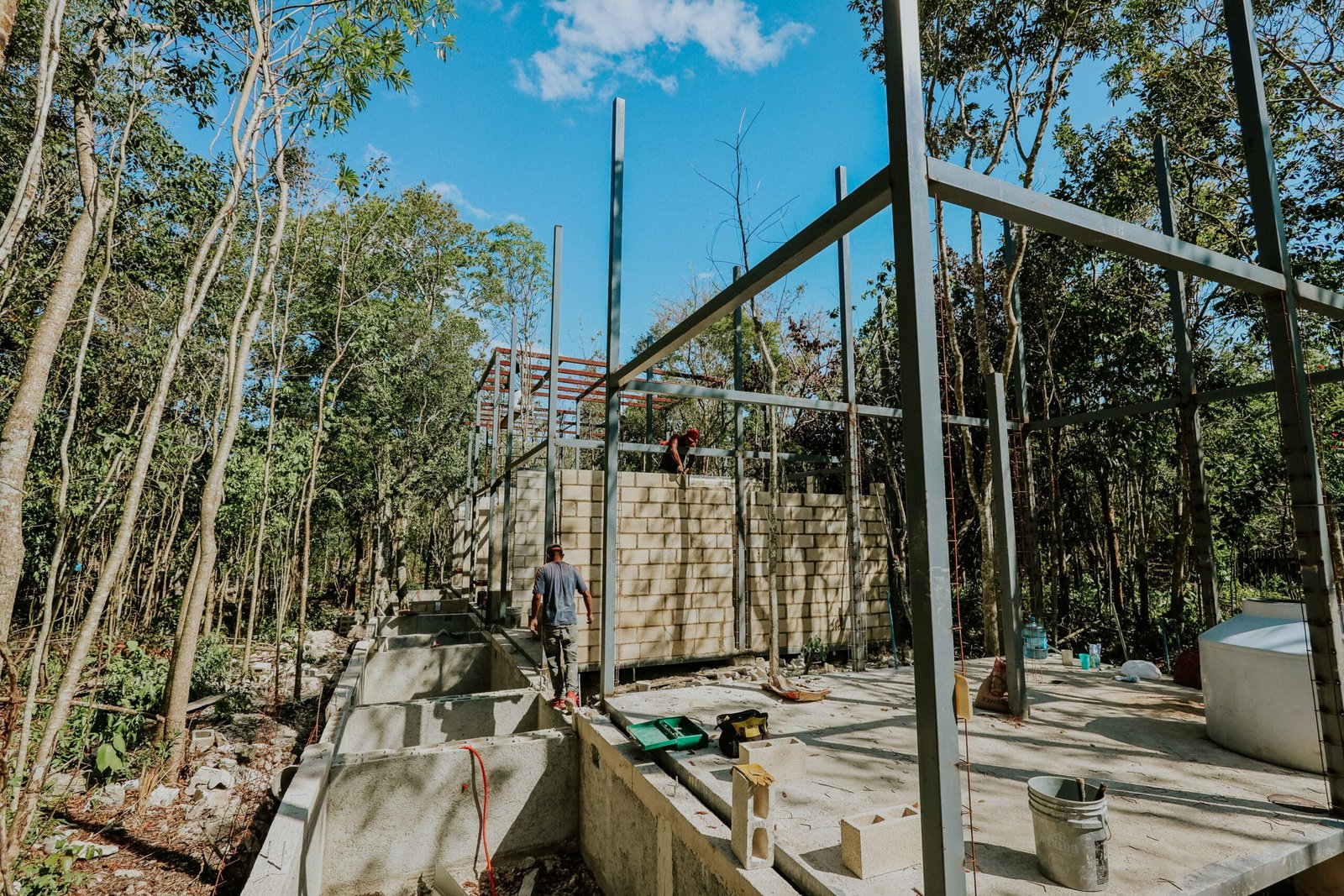

A construction project changes almost every day. Excavation becomes foundations. Reinforcing steel disappears inside concrete. Electrical conduits and plumbing lines become hidden behind walls. Waterproofed surfaces are eventually covered with tiles, and ceiling framing disappears once ceiling boards are installed.
By the time a house or building is finished, many of the most important stages of construction can no longer be seen.
This is why construction progress documentation is an important part of professional project management.
Photos, videos, written reports, inspection records, schedules, and progress updates create a history of how the project developed from an empty site into a completed building.
For homeowners, OFWs, investors, developers, contractors, and project managers, good documentation provides something that memory alone cannot: an organized project record.
What Is Construction Progress Documentation?
Construction progress documentation is the organized recording of project activities throughout the construction period.
Depending on the project, documentation may include:
- Site photographs
- Videos
- Weekly progress reports
- Progress percentages
- Work accomplishments
- Inspection records
- Construction schedules
- Material-delivery records
- Variation records
- Punch-list documentation
The purpose is not simply to take attractive photographs for social media.
The goal is to create useful records showing what was actually happening on the project at different stages.
1. Gives the Client Better Project Visibility
Clients should not have to guess what is happening on their construction site.
A progress report can explain:
- What was completed
- What is currently being worked on
- What comes next
- What issues are affecting the schedule
Photographs can support these updates by showing actual site conditions.
This creates clearer communication between the contractor and client.
Weekly Construction Progress Reports
For many projects, weekly reporting provides a practical balance.
A weekly report may contain:
- Reporting period
- Current project phase
- Completed activities
- Ongoing activities
- Upcoming targets
- Progress percentage
- Site photographs
- Delays or concerns
The exact format can vary according to the size and complexity of the project.
Consistency is more important than creating an unnecessarily complicated report.
2. Records Work Before It Becomes Hidden
Some of the most valuable construction photographs are not the finished-house photos.
They are the photographs taken before important work is covered.
These may include:
- Reinforcing steel
- Electrical conduits
- Plumbing lines
- Drainage pipes
- Waterproofed areas
- Ceiling framing
- Wall reinforcement
Once concrete, plaster, tiles, ceilings, and cabinetry are installed, these components may become difficult or impossible to see without demolition.
Documentation provides a visual reference of the construction process.
Electrical Rough-In Documentation
Before walls and ceilings are closed, photographs can record approximate locations of:
- Conduits
- Junction boxes
- Electrical boxes
- Cable routes
This can become useful when the property is renovated later.
It may help reduce the risk of drilling blindly into areas containing concealed services, although photographs should not replace proper plans or professional investigation.
Plumbing Documentation
Plumbing lines can also be documented before concealment.
Photographs may show:
- Water lines
- Drain lines
- Floor drains
- Pipe routes
- Selected connections
This can provide useful information if future maintenance or renovation requires understanding where pipes were originally installed.
3. Supports Quality-Control Procedures
Documentation can support construction quality control by creating records at important stages.
For example, photographs may be taken:
- Before concrete pouring
- Before walls are plastered
- Before waterproofing is covered
- Before ceilings are closed
- Before final turnover
The objective is not to claim that a photograph alone proves technical compliance.
Instead, documentation can complement appropriate inspection and supervision.
Waterproofing Documentation
Waterproofing is an excellent example of work that becomes hidden.
After tiles are installed, the waterproofing membrane may no longer be visible.
Documentation can record:
- Surface preparation
- Waterproofing application
- Critical junctions
- Drain areas
- Relevant testing where performed
This creates a record of the work before final finishes cover it.
4. Helps Explain Construction Progress More Clearly
A progress percentage without context can be confusing.
For example, a client may see that a building appears almost complete externally while substantial electrical, plumbing, cabinetry, testing, or finishing work remains.
A good progress report combines percentages with actual accomplishments.
Instead of reporting only:
Project Progress: 70%
the report can explain which major work packages are completed, ongoing, or still pending.
This provides a more realistic picture of the project’s status.
Construction Progress Is Not Always Visually Obvious
Different construction activities have different cost and time implications.
Structural work may create dramatic visible changes quickly.
Finishing work can appear slower because it involves numerous detailed activities such as:
- Tiling
- Painting
- Cabinetry
- Electrical fixtures
- Plumbing fixtures
- Doors
- Windows
A progress report helps explain these differences to the client.
5. Helps Track the Construction Schedule
Documentation can be compared with the project schedule to identify whether activities are progressing as planned.
Reports may identify:
- Completed milestones
- Current activities
- Upcoming targets
- Delayed activities
When a delay occurs, the reason can also be documented.
Possible causes may include:
- Severe weather
- Material delays
- Client-requested changes
- Site conditions
- Other project-specific factors
This creates a clearer project history.
Weather Delay Documentation
Weather can significantly affect outdoor construction activities.
Heavy rain may interrupt:
- Excavation
- Concrete work
- Roofing
- Exterior painting
- Waterproofing
- Site development
Instead of simply stating that “rain caused delays,” project records may document dates or periods when weather materially affected site operations.
This provides better context when discussing schedule adjustments.
6. Provides Better Support for Progress Billing
Some construction contracts link payments to project milestones or measured progress.
Documentation can help support the billing process by showing work completed during the relevant period.
Depending on the contract, supporting information may include:
- Progress reports
- Photographs
- Accomplishment summaries
- Billing breakdowns
The payment process should still follow the agreed contract terms and measurement method.
Photographs alone should not automatically determine the amount due.
Milestone Documentation
Important project milestones may include:
- Foundation completion
- Structural frame completion
- Roofing
- MEP rough-ins
- Ceiling works
- Tiling
- Painting
- Final finishing
Recording these milestones creates a clearer timeline of project development.
7. Creates Transparency for OFW and Remote Clients
Progress documentation is particularly valuable for property owners who cannot regularly visit the construction site.
An OFW client may be thousands of kilometers away while the house is being built in the Philippines.
Regular updates can provide:
- Photos
- Videos
- Written reports
- Progress percentages
- Schedule updates
This gives remote clients greater visibility into their project.
It also provides a structured basis for discussions instead of relying entirely on informal chat updates.
Remote Construction Still Needs Clear Communication
Distance should not prevent clients from understanding what is happening on-site.
A consistent reporting system allows the owner to review progress even when physical inspections are infrequent.
However, reports should remain clear and factual.
Clients should be informed when there are:
- Delays
- Material concerns
- Required decisions
- Significant changes
Transparency is most valuable when the project encounters challenges—not only when everything is going smoothly.
8. Creates a Valuable Record After Turnover
Construction documentation can remain useful even after the project is finished.
Future homeowners, maintenance personnel, or renovation teams may need information about:
- Concealed plumbing
- Electrical routes
- Waterproofing
- Ceiling framing
- Construction sequence
The records do not replace as-built plans where those are required or available, but they can provide additional visual context.
This is particularly useful when the same contractor later performs renovation or maintenance work.
What Should Be Photographed During Construction?
Important stages may include:
Before Concrete Pouring
- Reinforcement
- Formwork
- Embedded services
Before Wall Closing or Plastering
- Electrical conduits
- Plumbing
- Wall reinforcement
Before Tiling
- Waterproofing
- Drain locations
- Surface preparation
Before Ceiling Closure
- Ceiling framing
- Electrical routes
- Other concealed services
Before Turnover
- Final finishes
- Fixtures
- Completed rooms
- Exterior areas
The exact documentation requirements depend on the project.
Before-and-After Documentation
Before-and-after photographs can provide a simple but effective record of progress.
They are particularly useful for:
- Renovations
- Site development
- Room transformations
- Façade improvements
- Landscaping
Taking photographs from similar positions can make changes easier to compare.
Photo Quality Matters
Construction photographs do not need to look like professional architectural photography.
However, they should be clear enough to show what is being documented.
Useful photographs should avoid:
- Excessive blur
- Unclear framing
- Photographing only from far away
- Missing important details
A combination of overview and close-up images can provide better context.
Add Dates and Descriptions
Thousands of unlabeled construction photographs can quickly become difficult to use.
Records become more valuable when they are organized by:
- Date
- Location
- Work activity
- Project phase
For example:
October 5, 2026 – Second Floor Bathroom – Waterproofing Before Tile Installation
This is far more useful than a random image stored without context.
Organize Photos by Construction Phase
Project documentation may be grouped into folders such as:
- Pre-Construction
- Excavation and Foundation
- Structural Works
- Roofing
- Electrical
- Plumbing
- Waterproofing
- Ceiling
- Tiling
- Painting
- Finishing
- Turnover
A consistent file structure makes records easier to retrieve later.
Document Material Deliveries
For significant materials, project records may also document deliveries.
Examples can include:
- Reinforcing steel
- Roofing
- Tiles
- Doors
- Windows
- Major electrical equipment
This can provide an additional record of when important project materials arrived on-site.
Documentation should complement—not replace—proper delivery receipts and inventory controls.
Document Changes and Additional Works
Projects sometimes change during construction.
The client may request:
- Additional outlets
- Revised tiles
- Larger windows
- Additional cabinetry
- New ceiling details
These modifications can affect cost and schedule.
Good documentation should connect significant changes to written variation or change-order records where applicable.
A photo of the finished additional work does not replace written approval.
Progress Reports Should Mention Problems Too
A progress report should not function purely as marketing material.
If a significant issue affects construction, it should be documented appropriately.
Examples may include:
- Weather delays
- Material availability
- Required client decisions
- Site constraints
- Approved design changes
Accurate reporting helps both parties understand the actual project condition.
Punch-List Documentation
Near completion, documentation can also support the punch-list process.
Items may include:
- Paint corrections
- Tile corrections
- Door adjustments
- Fixture testing
- Sealant touch-ups
Photographs can be taken before and after corrections to provide a clearer completion record.
Construction Documentation for Renovations
Renovation projects particularly benefit from before-and-after records.
Before demolition, document:
- Existing walls
- Ceilings
- Floors
- Fixtures
- Visible defects
During renovation, record newly exposed conditions.
This creates a clearer record of what existed before the contractor modified the property.
Construction Documentation for Residential Projects
For houses, progress records can cover the journey from:
Empty Lot → Foundation → Structural Frame → Roofing → Rough-Ins → Finishing → Completed Home
This can provide both technical value and a meaningful record for the homeowner.
For many families, the construction of their home is a once-in-a-lifetime project.
Construction Documentation for Commercial Projects
Commercial projects may require more structured documentation because multiple stakeholders can be involved.
Reports may support communication among:
- Owners
- Contractors
- Consultants
- Investors
- Project managers
The reporting format should reflect the complexity and contractual requirements of the project.
Common Progress Documentation Mistakes
Avoid these problems:
- Taking photos only when the project looks good
- Failing to document concealed works
- No dates or descriptions
- Disorganized files
- Reporting percentages without explaining accomplishments
- Not documenting delays
- No written record of significant changes
- Using photos as a substitute for proper inspections
- Stopping documentation before turnover
Good documentation should tell the complete story of the project—not just selected highlights.
Progress Documentation Builds Accountability
Construction involves many people, activities, and decisions.
Memories can become unclear after several months.
Written and photographic records provide a reference that both the client and project team can review.
Documentation cannot eliminate every construction dispute or problem, but it can reduce uncertainty and improve communication.
Why Design and Build Helps With Documentation
Under a Design and Build approach, plans, construction, progress monitoring, variations, and project records can be coordinated within one workflow.
This makes it easier to connect what was designed with what is actually being constructed.
Documentation can follow the project from:
Concept → Plans → Construction → Inspections → Finishing → Punch List → Turnover
The result is a more complete record of how the project developed.
Planning a Construction Project?
Whether you’re building a family home, apartment, commercial property, mixed-use building, villa, resort, or renovation project, progress documentation should form part of the construction process—not something added only when the client asks for an update.
Nillasca Construction can provide project monitoring, construction progress reports, site documentation, photo and video updates, construction coordination, punch-list monitoring, and turnover documentation as part of an integrated Design and Build process, depending on the agreed project scope.
After construction, the tiles, paint, and ceilings are what people see. Good progress documentation preserves the story of everything that was carefully built underneath them.