
Modular Building Philippines: Why Smart Property Owners Are Embracing the Future of Construction
The construction industry is rapidly evolving, and today’s homeowners, property developers, investors, and business owners are searching for faster, smarter, and more efficient ways to build. Traditional construction methods remain widely used, but modern technologies are introducing new solutions that can significantly improve project timelines, quality, and cost control.
One of the most promising innovations gaining attention worldwide is modular construction. In the Philippines, modular buildings are increasingly being considered for residential, commercial, industrial, and institutional projects due to their speed, flexibility, and efficiency.
As the demand for faster project delivery and sustainable building practices continues to grow, modular construction is positioning itself as a viable alternative for forward-thinking property owners.
What Is a Modular Building?
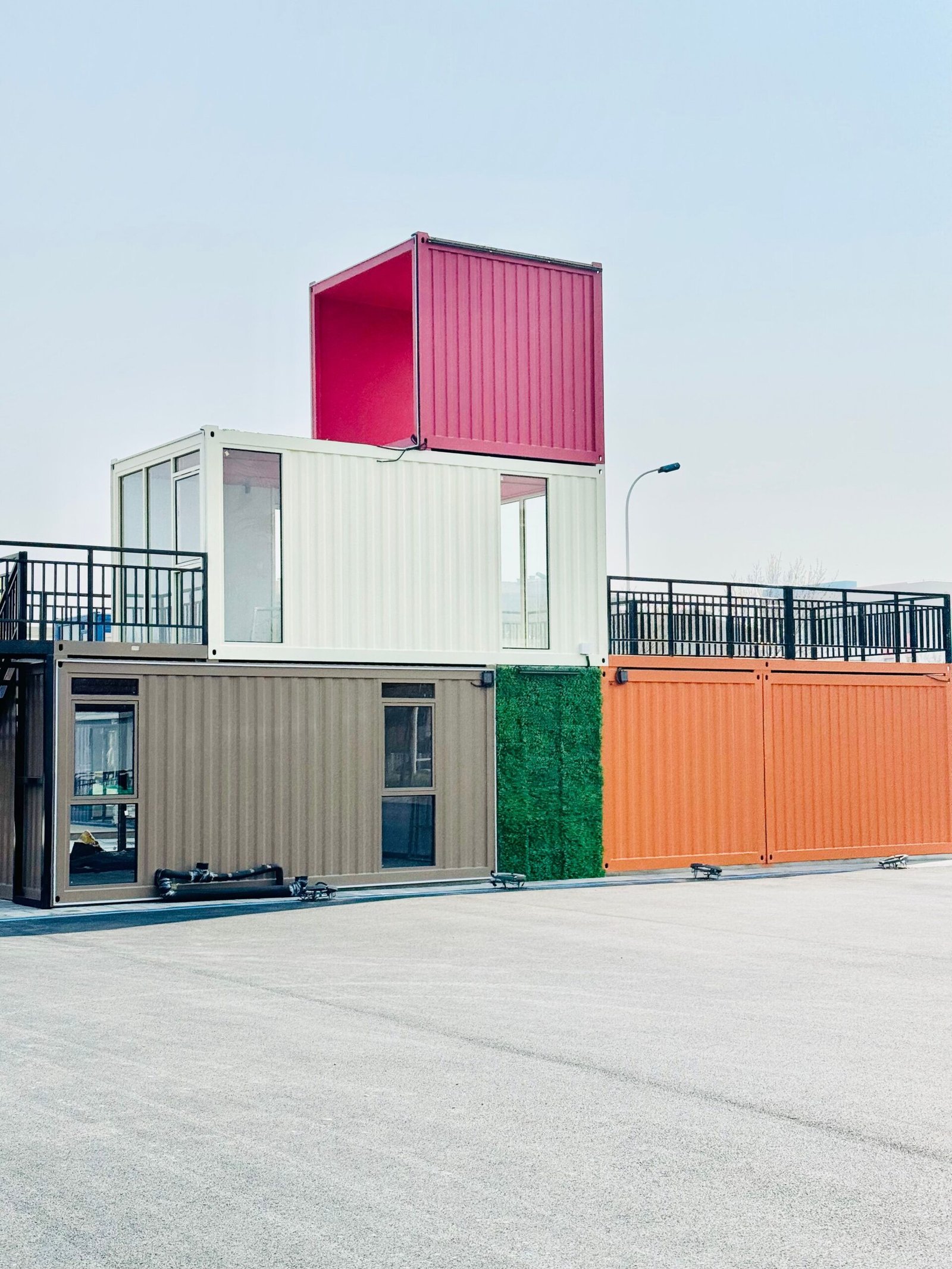
A modular building is a structure composed of pre-manufactured sections, commonly called modules, that are fabricated in a controlled factory environment before being transported and assembled at the project site.
Unlike traditional construction where most building activities occur entirely on-site, modular construction shifts a significant portion of the work to specialized manufacturing facilities. Once the modules are completed, they are delivered to the site and connected to form a finished building.
The result is a high-quality structure that can often be completed much faster than conventional construction methods.
Why Is Modular Construction Becoming Popular?
As construction costs, labor challenges, and project deadlines become more demanding, modular construction offers several advantages that appeal to homeowners, developers, brokers, and investors.
1. Faster Project Completion
One of the biggest advantages of modular construction is speed.
Because site preparation and module fabrication can occur simultaneously, project schedules are significantly shortened. While the foundation is being constructed on-site, the building modules can already be manufactured in the factory.
This parallel workflow reduces overall construction time and helps projects reach completion much faster.
For developers and investors, faster completion means quicker occupancy and earlier revenue generation.
2. Consistent Quality Control
Traditional construction is often affected by weather conditions, labor variability, and site-related challenges.
Modular buildings are manufactured in controlled environments where quality standards can be closely monitored throughout production. This process helps ensure greater consistency, accuracy, and reliability in the finished product.
For property owners, this translates into better workmanship and fewer construction-related issues.
3. Reduced Material Waste
Construction waste remains a significant concern in the building industry.
Because modular components are manufactured with precise measurements and production systems, material usage can be optimized more effectively. This often results in reduced waste and improved resource efficiency.
For environmentally conscious developers and homeowners, this contributes to more sustainable construction practices.
4. Improved Cost Predictability
Unexpected site conditions, weather delays, and labor shortages can impact traditional construction budgets.
Modular construction allows many aspects of the project to be planned and controlled before fabrication begins. This improved predictability helps minimize costly delays and provides greater budget certainty.
For investors and developers, accurate cost forecasting is a major advantage when evaluating project feasibility.
5. Flexible and Expandable Design
Modern modular buildings are no longer limited to temporary structures or simple layouts.
Today’s modular systems can be customized to accommodate various architectural styles, floor plans, and project requirements. Additional modules can often be added in the future as needs evolve.
This flexibility makes modular construction suitable for a wide range of applications.
Common Applications of Modular Buildings
Modular construction can be utilized for numerous project types, including:
- Residential Homes
- Vacation Houses
- Staff Housing
- Apartment Buildings
- Dormitories
- Commercial Offices
- Retail Spaces
- Schools
- Clinics and Healthcare Facilities
- Site Offices
- Warehouses
- Hospitality Developments
As technology continues to improve, modular systems are becoming increasingly adaptable for both small and large-scale developments.
Common Misconceptions About Modular Buildings
Despite growing acceptance, many people still have misconceptions about modular construction.
One of the most common myths is that modular buildings are low quality. In reality, properly engineered modular structures are designed to comply with applicable building standards and can provide excellent durability and performance.
Another misconception is that modular buildings lack design flexibility. Modern modular construction can incorporate a wide range of architectural styles, finishes, materials, and layouts that closely resemble traditionally constructed buildings.
Many people are surprised to learn that high-end residences, hotels, and commercial facilities are now being developed using modular construction technologies.
Is Modular Construction Right for Your Project?
The answer depends on the project’s goals, budget, timeline, location, and design requirements.
Projects that prioritize speed, efficiency, cost control, and scalability often benefit significantly from modular construction. However, site conditions, transportation logistics, local regulations, and architectural objectives should always be carefully evaluated before selecting a construction method.
Working with experienced architects, engineers, and construction professionals helps determine whether modular solutions align with your project’s needs.
The Future of Construction Is Evolving
As the Philippine construction industry continues to modernize, modular building systems are expected to play a larger role in residential, commercial, and institutional developments.
Their ability to reduce construction timelines, improve quality control, minimize waste, and provide flexible design solutions makes them an attractive option for today’s property owners and investors.
At Nillasca Construction, we continuously explore innovative building technologies that help clients achieve better project outcomes. Whether you are planning a custom home, commercial establishment, apartment complex, or investment property, understanding the advantages of modular construction can help you make informed decisions for your next project.
The future of construction is no longer just about building faster—it is about building smarter, more efficiently, and with greater long-term value.