
Many people believe that a construction project begins when excavation equipment arrives on-site or when the first concrete is poured. In reality, the success of any residential or commercial project is determined long before construction starts. The planning phase—commonly known as pre-construction—is one of the most important stages in the entire building process.
Whether you’re a homeowner planning your dream house, a real estate broker assisting clients, a property developer managing multiple projects, or an investor seeking the highest return, understanding pre-construction can save significant time, money, and stress.
A well-executed pre-construction process minimizes risks, improves communication, controls costs, and creates a clear roadmap for successful project delivery.
What Is Pre-Construction?
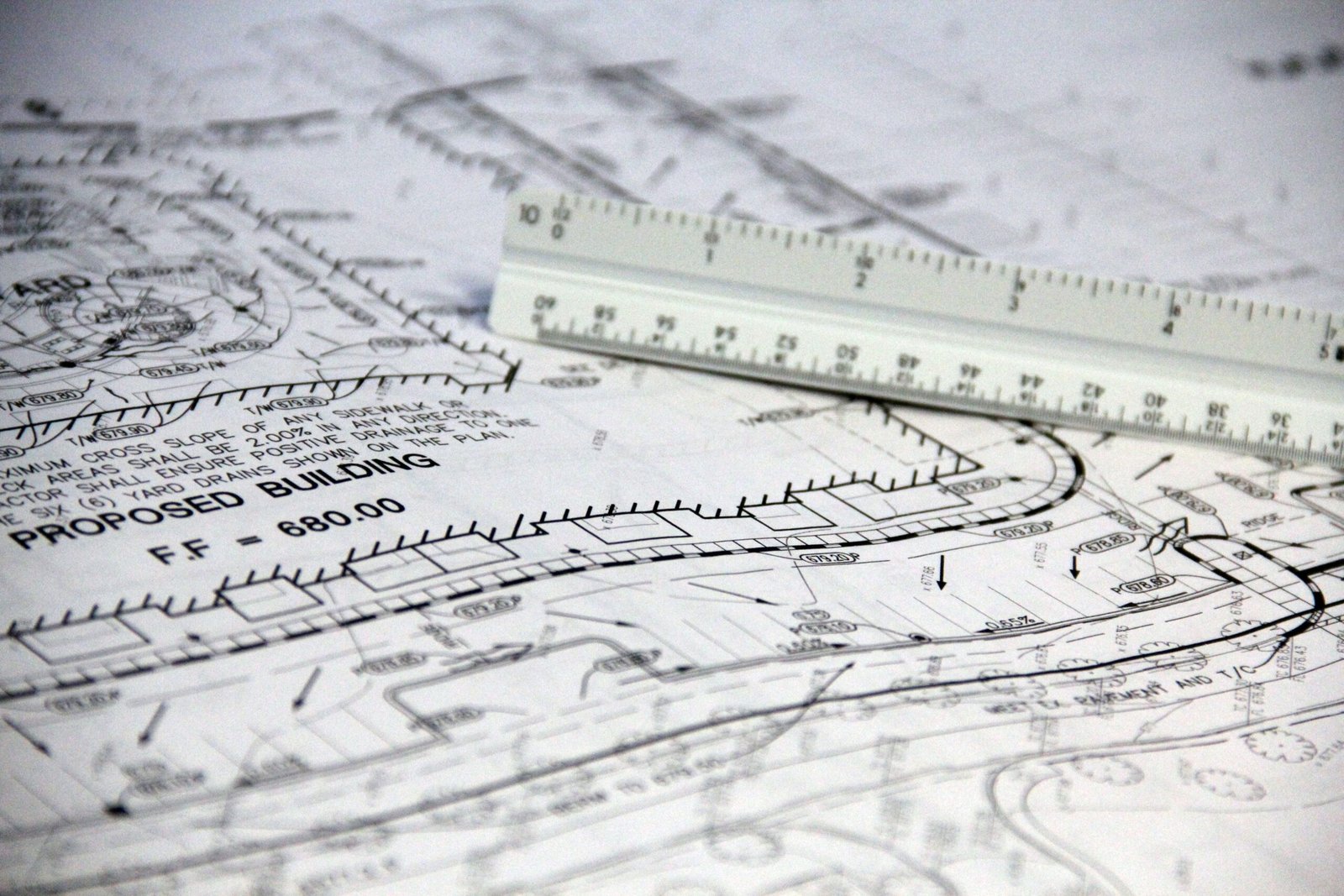
Pre-construction refers to all planning, evaluation, design, budgeting, engineering, and coordination activities that take place before physical construction begins.
Rather than rushing directly into building, experienced construction professionals carefully analyze every aspect of the project to ensure it is feasible, efficient, and aligned with the client’s goals.
Typical pre-construction services include:
- Initial consultation
- Site inspection and lot evaluation
- Architectural planning
- Structural and engineering design
- Budget estimation
- Construction scheduling
- Material selection
- Permit processing
- Risk assessment
- Project coordination
This phase lays the foundation for a smoother and more successful construction experience.
Why Pre-Construction Is So Important
Skipping or rushing the planning stage often leads to unexpected expenses, project delays, design revisions, and construction disputes.
Proper pre-construction helps identify challenges before they become expensive problems.
Instead of reacting to issues during construction, project teams can anticipate and resolve them while changes are still relatively inexpensive.
For homeowners and investors, this proactive approach provides greater confidence and better financial control.
Key Benefits of Pre-Construction Planning
1. More Accurate Budget Planning
One of the biggest concerns for any property owner is staying within budget.
During pre-construction, designers and builders evaluate the project’s scope, material requirements, labor needs, and engineering considerations to develop realistic cost estimates.
This helps clients make informed decisions before committing to construction.
Proper budgeting also reduces the likelihood of costly surprises later in the project.
2. Better Design Decisions
The planning phase allows homeowners and developers to refine their ideas before construction begins.
Floor plans, room layouts, elevations, façade treatments, and interior spaces can all be reviewed and improved while changes remain relatively easy to implement.
Making design revisions on paper is significantly less expensive than modifying completed construction.
3. Identifying Site Challenges Early
Every property presents unique conditions that may affect construction.
During pre-construction, professionals evaluate factors such as:
- Soil conditions
- Drainage
- Lot slope
- Property boundaries
- Utility connections
- Accessibility
- Local zoning regulations
Addressing these issues early helps prevent costly delays once construction begins.
4. Faster Construction Process
Projects that are properly planned typically move more efficiently.
Because drawings, permits, material specifications, schedules, and procurement strategies are already organized, construction crews can focus on execution instead of solving preventable problems on-site.
This contributes to shorter project timelines and improved productivity.
5. Improved Risk Management
Construction involves numerous variables, including weather conditions, material availability, labor coordination, and regulatory requirements.
Pre-construction planning identifies potential risks and develops strategies to minimize their impact.
For developers and investors, effective risk management protects both schedules and financial performance.
What Happens During the Pre-Construction Phase?
Although every project is different, a professional pre-construction process generally follows several important steps:
Initial Consultation
The project begins by understanding the client’s vision, lifestyle requirements, investment objectives, and budget.
Site Assessment
Engineers and architects evaluate the property to determine opportunities and limitations that may influence design and construction.
Design Development
Architectural and engineering plans are created and refined to ensure functionality, structural integrity, and aesthetic appeal.
Cost Estimation
Detailed construction estimates help clients understand expected investment requirements before work begins.
Permit Preparation
Required documents are prepared for submission to local government agencies to secure the necessary permits.
Construction Planning
Schedules, procurement strategies, manpower requirements, and project coordination plans are finalized before mobilization.
Common Pre-Construction Mistakes to Avoid
Many costly construction problems begin with inadequate planning.
Some common mistakes include:
- Starting construction without complete plans.
- Underestimating the total project budget.
- Ignoring site-specific conditions.
- Delaying permit applications.
- Selecting materials without considering long-term performance.
- Failing to establish realistic project schedules.
- Hiring contractors before defining project expectations.
Avoiding these mistakes can significantly improve project efficiency and overall client satisfaction.
Why Design and Build Simplifies Pre-Construction
One of the biggest advantages of the Design and Build approach is that architects, engineers, estimators, and construction professionals work together from the earliest planning stages.
This collaborative process improves communication, strengthens cost control, reduces design conflicts, and ensures that every decision supports the project’s budget and construction objectives.
Instead of coordinating multiple consultants independently, clients benefit from one integrated team focused on delivering successful results.
Build with Confidence from Day One
Every successful construction project begins with careful planning—not with concrete, steel, or heavy equipment.
A comprehensive pre-construction process helps homeowners, investors, developers, and brokers make informed decisions that reduce risk, improve efficiency, and maximize long-term value.
At Nillasca Construction, we believe that exceptional projects start long before construction begins. Our Design and Build team carefully plans every detail—from concept development and engineering to budgeting, scheduling, and permit preparation—to ensure each project moves forward with clarity and confidence.
When you invest in thorough pre-construction planning, you’re not simply preparing to build a structure—you are creating the foundation for a smoother construction experience, a higher-quality result, and an investment that will stand the test of time.