
A beautiful home or commercial building is only as strong as the protection it has against the elements. In the Philippines, where heavy rains, high humidity, and occasional typhoons are part of everyday life, water intrusion is one of the leading causes of structural deterioration and expensive repairs.
Many property owners focus on premium finishes, elegant interiors, and modern architecture but overlook one of the most important investments they can make—proper waterproofing.
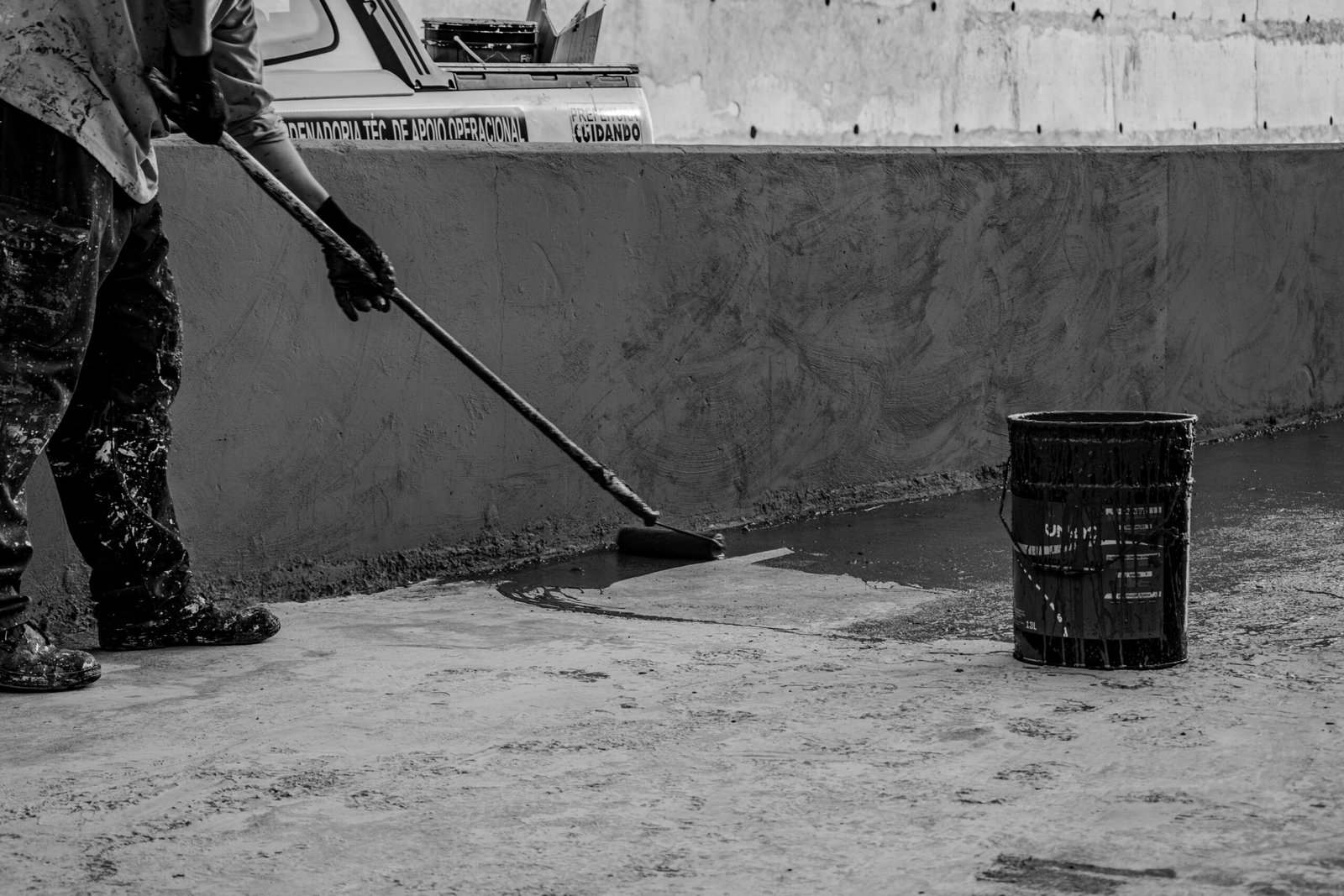
Waterproofing is more than just applying a protective coating. It is a system designed to prevent water from penetrating the structure, protecting concrete, steel reinforcement, walls, roofs, and interior finishes from long-term damage.
Whether you’re building a new home, renovating an existing property, or constructing a commercial development, investing in quality waterproofing can save significant time, money, and maintenance costs in the future.
What Is Waterproofing?
It is the process of applying specialized materials and systems to prevent water from entering parts of a building that are exposed to moisture.
Depending on the location and purpose, this systems may include liquid-applied membranes, cementitious coatings, polyurethane systems, bituminous membranes, crystalline leakproofing, or waterproof sealants.
The correct solution depends on the structure, level of water exposure, and intended use of the area.
Why Waterproofing Is Important
Water can slowly damage a building without showing obvious signs at first.
Small cracks, poorly sealed joints, or inadequate drainage may eventually allow moisture to penetrate concrete and walls. Over time, this can lead to:
- Water leaks
- Mold and mildew growth
- Peeling paint
- Rusting of steel reinforcement
- Concrete deterioration
- Ceiling stains
- Damp interior walls
- Flooring damage
- Higher maintenance costs
Proper damp proofing acts as the building’s first line of defense against these problems.
Areas That Require WaterTight
Several parts of a building are especially vulnerable to water exposure.
These commonly include:
- Roof decks
- Flat roofs
- Bathrooms
- Balconies
- Swimming pools
- Basements
- Retaining walls
- Exterior walls
- Water tanks
- Planter boxes
- Kitchens
- Foundations
Each area may require a different proofing system depending on its exposure and construction method.
Benefits of Professional Waterproofing
1. Prevents Water Leaks
The most obvious benefit is protecting the building from rainwater and moisture infiltration.
A properly installed waterproofing system prevents leaks before they become major structural problems.
2. Extends the Life of the Building
Moisture is one of the biggest threats to reinforced concrete structures.
By preventing water from reaching steel reinforcement, this helps reduce corrosion and protects the structural integrity of the building for many years.
3. Reduces Maintenance Costs
Repairing leaking roofs, damaged ceilings, cracked walls, and deteriorated finishes is often much more expensive than installing leak proofing during construction.
Preventive protection helps reduce future repair expenses while preserving the appearance of the property.
4. Improves Indoor Comfort
Water intrusion often creates damp environments that encourage mold and mildew growth.
Proper proofing helps maintain a healthier indoor environment while protecting furniture, finishes, and personal belongings from moisture damage.
5. Protects Property Value
A well-maintained, leak-free building is more attractive to buyers and tenants.
Water damage can reduce property value and create concerns during inspections. Waterproofing helps preserve both the appearance and long-term marketability of the property.
Common Waterproofing Mistakes
Even quality leak proofing materials can fail if they are improperly installed.
Common mistakes include:
- Skipping surface preparation.
- Applying over damp or dirty surfaces.
- Ignoring cracks before application.
- Using the wrong waterproofing system for the area.
- Poor drainage design.
- Insufficient membrane thickness.
- Failing to protect waterproofed surfaces during construction.
Proper installation by experienced professionals is just as important as selecting the right product.
When Should Waterproofing Be Applied?
The best time to install waterproofing is during construction before tiles, paint, and final finishes are applied.
This allows membranes and coatings to be installed correctly and tested before the building is occupied.
However, waterproofing can also be applied during renovation projects to address existing leaks and moisture problems.
Early intervention is always more economical than waiting for visible damage to appear.
Why Waterproofing Should Be Part of Every Design and Build Project
A successful construction project isn’t only about creating beautiful spaces—it’s about ensuring those spaces remain protected for decades.
At Nillasca Construction, waterproofing is carefully considered during the planning and construction stages. Our Design and Build approach ensures that roofing systems, balconies, bathrooms, foundations, retaining walls, and other moisture-prone areas receive the appropriate waterproofing solutions based on their intended use and environmental conditions.
By integrating waterproofing into the overall construction process, we help homeowners and property investors reduce future maintenance, improve durability, and protect the long-term value of their investment.
Protect Your Investment from Day One
Water damage often starts small but can lead to significant structural and financial problems if ignored. A professionally designed waterproofing system provides long-lasting protection against leaks, moisture, and premature deterioration.
Whether you’re building your dream home, a commercial establishment, an apartment, or a resort, waterproofing should never be considered an optional upgrade—it is an essential part of quality construction.
At Nillasca Construction, we are committed to building structures that are not only beautiful but also durable, safe, and built to withstand the Philippine climate. With the right waterproofing system, you can enjoy greater peace of mind knowing your investment is protected for years to come.