
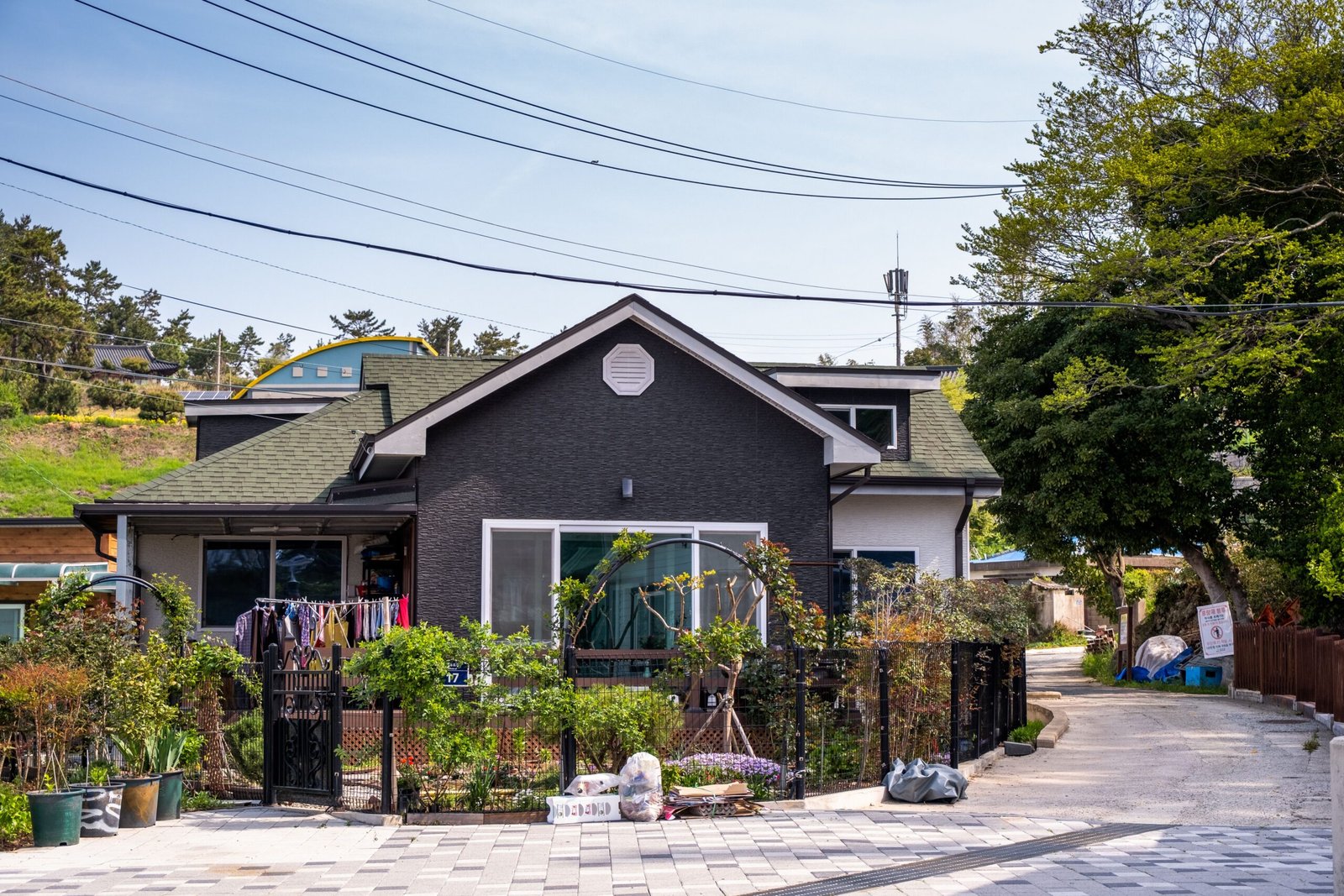

A house is much more than a place to sleep—it is where families grow, celebrate milestones, and create lifelong memories. From a child’s first steps to family gatherings during holidays, a home becomes the setting for life’s most meaningful moments. That is why building a family house requires thoughtful planning, quality construction, and a design that supports your family’s needs today and in the years ahead.
Whether you are a first-time homeowner, upgrading to a larger residence, a real estate broker assisting clients, or a property developer planning residential communities, understanding what makes a great family house is essential. A well-designed home not only improves daily living but also becomes a valuable long-term investment.
What Makes a Great Family House?
A family house is designed with comfort, safety, flexibility, and functionality in mind. Unlike homes built primarily for resale or short-term rental, a family home focuses on creating spaces where every household member can live comfortably while adapting to changing needs over time.
A thoughtfully planned family house typically includes:
- Comfortable bedrooms for every family member
- Spacious living and dining areas
- A functional kitchen
- Adequate storage spaces
- Safe outdoor areas
- Proper ventilation and natural lighting
- Flexible rooms for future use
- Durable construction materials
The goal is to create a home that supports everyday living while remaining practical for years to come.
Why Proper Planning Is Essential
Many homeowners become excited about selecting paint colors, flooring, or furniture, but the most important decisions happen during the planning stage.
Professional planning also considers future family growth, lifestyle changes, and long-term maintenance, making the home more adaptable over time.
Key Features of a Functional Family House
1. Open and Connected Living Spaces
Modern families spend a significant amount of time together in shared areas.
Open-concept layouts that connect the living room, dining area, and kitchen encourage communication and make everyday activities more enjoyable. Parents can prepare meals while supervising children, and family gatherings become more comfortable in spacious communal areas.
This layout also improves natural lighting and creates a more welcoming atmosphere.
2. Bedrooms Designed for Comfort
Every family member deserves a private space to rest and recharge.
Well-designed bedrooms should provide sufficient space for furniture, storage, and future adjustments. Master bedrooms often include walk-in closets and private bathrooms, while children’s rooms should allow flexibility as they grow.
Planning for comfort today can prevent expensive renovations in the future.
3. Safe and Child-Friendly Design
Safety is one of the most important considerations when designing a family home.
Features such as slip-resistant flooring, secure stair railings, well-lit pathways, and child-safe windows contribute to a safer living environment. Proper electrical planning, quality structural construction, and compliant building systems also help protect the family over the long term.
A safe home provides peace of mind for every homeowner.
4. Natural Light and Ventilation
The Philippine climate makes proper airflow and daylight especially important.
Large windows, strategically positioned openings, and high ceilings allow natural ventilation to circulate throughout the house. This creates a brighter, healthier, and more comfortable indoor environment while helping reduce energy consumption.
Homes designed around natural light often feel larger, more inviting, and more enjoyable to live in.
5. Flexible Spaces for the Future
Family needs evolve over time.
A spare room may later become a nursery, a home office, a guest bedroom, or a study area. Flexible spaces provide greater long-term value because they adapt to changing lifestyles without requiring major renovations.
Designing with the future in mind ensures that the home remains practical for many years.
Common Mistakes to Avoid
Building a family home is a significant investment, and poor planning can lead to unnecessary challenges.
Some common mistakes include:
- Designing without considering future family growth.
- Insufficient storage areas.
- Poor kitchen layout and workflow.
- Lack of natural lighting and ventilation.
- Ignoring outdoor living spaces.
- Choosing aesthetics over functionality.
- Hiring inexperienced contractors without a clear construction plan.
Avoiding these mistakes helps create a home that is both beautiful and practical.
Why Design and Build Is the Smart Choice
Many homeowners choose Design and Build services because they simplify the entire construction process.
Instead of coordinating separate architects, engineers, and contractors, clients work with one experienced team responsible for both design and construction. This integrated approach improves communication, strengthens cost control, and reduces delays while ensuring that the finished home reflects the family’s vision and budget.
For busy families, having a single point of responsibility creates a smoother and less stressful experience.
Build a Home That Grows with Your Family
A family house is more than a financial investment—it is an investment in your family’s future. Every room, hallway, and outdoor space should be thoughtfully designed to support comfort, safety, and togetherness.
At Nillasca Construction, we understand that every family has unique goals, lifestyles, and dreams. Through our professional Design and Build services, we help homeowners create personalized family homes that combine modern design, quality craftsmanship, and long-term durability.
Whether you are building your first residence, upgrading to a larger home, or developing a family-oriented community, careful planning and expert construction make all the difference. A well-designed family house is not just a place to live—it is a place where generations can grow, connect, and create lasting memories.