
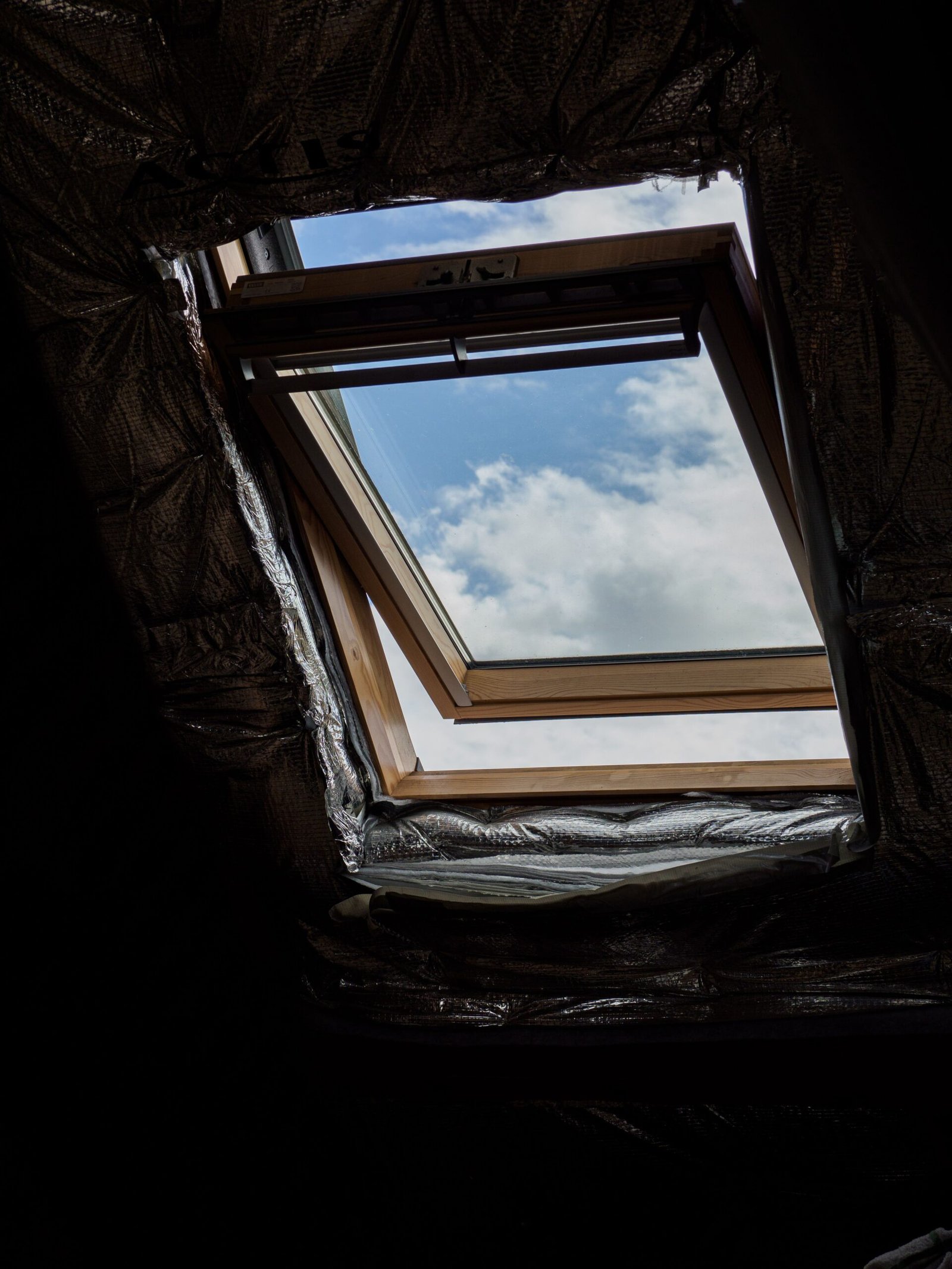

A well-designed home should do more than look beautiful—it should also provide a healthy, comfortable, and energy-efficient environment for everyone inside. One of the most overlooked aspects of residential construction is proper ventilation.
In the Philippines, where temperatures are warm and humidity is high throughout most of the year, good circulation plays a critical role in maintaining indoor comfort. Without adequate airflow, homes can become hot, humid, and prone to moisture-related issues such as mold, mildew, and unpleasant odors.
Whether you’re building a new home, renovating an existing property, or designing a commercial building, incorporating an effective circulation system from the beginning can improve comfort, reduce energy consumption, and extend the life of your property.
What Is House Ventilation?
House ventilation is the controlled movement of fresh air into a building while allowing stale, humid, or contaminated air to exit.
A properly ventilated home continuously replaces indoor air, helping regulate temperature, remove excess moisture, and improve overall indoor air quality.
They may be achieved through:
- Natural airflow
- Mechanical exhaust systems
- Ceiling and circulation fans
- Roof ventilation
- Ridge vents
- Louvers
- Windows and doors positioned for cross circulation
The most effective design often combines natural and mechanical circulation.
Why Proper Ventilation Is Important
1. Improves Indoor Air Quality
Everyday activities such as cooking, showering, cleaning, and even breathing increase indoor humidity and introduce airborne particles into your home.
Proper circulation removes stale air and replaces it with fresh outdoor air, helping create a cleaner and healthier living environment.
2. Reduces Heat Build-Up
Homes exposed to direct sunlight can trap heat inside, especially during summer months.
A well-planned ventilation system allows hot air to escape while encouraging cooler air to circulate naturally throughout the house.
This improves comfort without relying solely on air conditioning.
3. Prevents Moisture Problems
Excess moisture can cause:
- Mold growth
- Mildew
- Peeling paint
- Ceiling stains
- Wood deterioration
- Musty odors
Proper ventilation helps control humidity levels and reduces the risk of long-term moisture damage.
4. Increases Energy Efficiency
When fresh air flows naturally through the home, occupants often rely less on electric fans and air conditioners.
Lower cooling demand can reduce electricity consumption and contribute to long-term savings on utility bills.
5. Creates a More Comfortable Living Space
A home with good airflow simply feels more comfortable.
Fresh air circulation helps maintain balanced indoor temperatures, reduces stuffiness, and creates a healthier environment for family members and guests.
Natural Ventilation Strategies
One of the best ways to improve airflow is through thoughtful architectural planning.
Common natural circulation techniques include:
Cross Ventilation
Positioning windows and openings on opposite sides of the house allows wind to pass through naturally, carrying warm indoor air outside while bringing in fresh air.
Larger Windows
Properly sized windows increase natural light and encourage better airflow throughout living spaces.
High Ceilings
Higher ceilings allow warm air to rise, making rooms feel cooler and more spacious.
Ventilation Blocks and Louvers
These architectural features promote continuous airflow while maintaining privacy and protecting interiors from direct rain.
Roof Ventilation
Roof vents, ridge vents, and soffit vents help remove trapped heat from the attic, improving the home’s overall thermal performance.
Mechanical Ventilation
Some spaces require additional circulation beyond natural airflow.
Mechanical systems may include:
- Exhaust fans for bathrooms
- Kitchen range hoods
- Utility room circulation
- Mechanical air exchangers
- Whole-house circulation systems
These systems help remove moisture, odors, smoke, and indoor pollutants from enclosed areas.
Common Ventilation Mistakes
Poor circulation often results from simple design oversights.
Common mistakes include:
- Too few windows
- Blocking natural airflow with partitions
- Small or poorly positioned openings
- Lack of roof ventilation
- No bathroom exhaust fan
- Poor kitchen ventilation
- Overreliance on air conditioning
Addressing these issues during the design stage is much easier and more cost-effective than correcting them after construction.
Why Ventilation Should Be Part of Every Design
Effective ventilation isn’t an afterthought—it should be integrated into the architectural design from the beginning.
Building orientation, window placement, ceiling height, roof design, and room layout all influence how air moves through a structure.
At Nillasca Construction, our Design and Build approach considers ventilation alongside structural integrity, lighting, energy efficiency, and overall functionality. By designing homes that work with the Philippine climate, we create living spaces that remain cooler, healthier, and more comfortable throughout the year.
Build a Home That Breathes
A beautiful home should also be a healthy home. Proper ventilation improves indoor air quality, regulates temperature, reduces moisture, and enhances everyday comfort while helping lower long-term energy costs.
Whether you’re planning a modern family residence, an apartment building, a resort, or a commercial property, investing in good ventilation is one of the smartest design decisions you can make.
At Nillasca Construction, we design homes that combine aesthetics, functionality, and sustainability. Through thoughtful planning and quality construction, we help homeowners create spaces that are built to last—and built for comfortable living in the Philippine climate.