
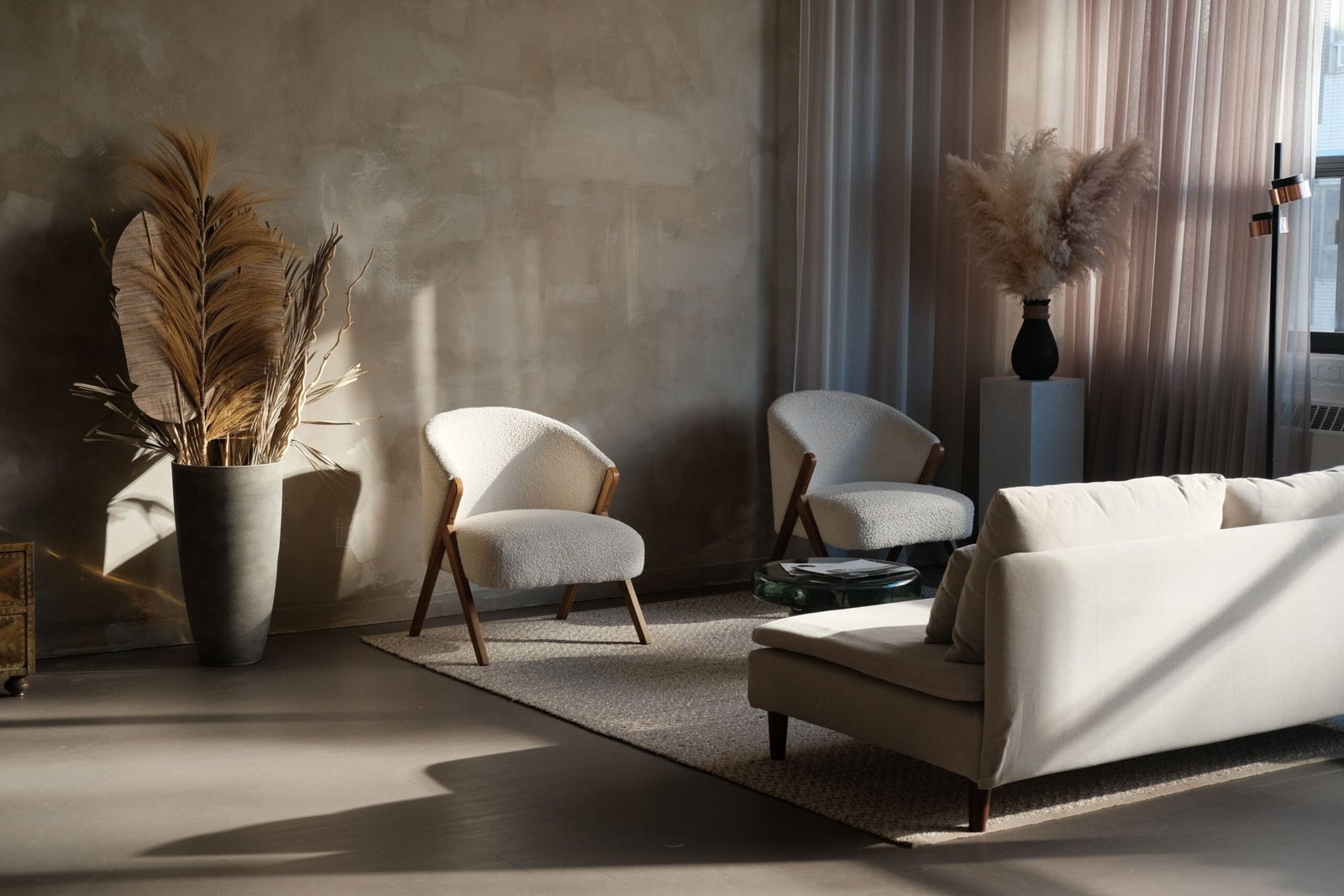

As modern homeowners continue to seek homes that are beautiful, functional, and calming, one architectural and interior design trend has steadily gained popularity around the world—Japandi Design. Combining the simplicity of Japanese design with the warmth of Scandinavian interiors, Japandi creates living spaces that are elegant without being excessive and comfortable without sacrificing style.
In the Philippines, where homeowners are becoming more intentional about quality living, Japandi Design has emerged as a preferred choice for residential homes, vacation houses, condominiums, and premium developments. Its clean lines, natural materials, and highly functional layouts make it ideal for families, professionals, investors, and developers looking for timeless design rather than short-lived trends.
If you’re planning to build your dream home, understanding the principles of Japandi Design can help you create a residence that remains beautiful and practical for decades.
What Is Japandi Design?
Japandi Design is a fusion of two well-known design philosophies: Japanese minimalism and Scandinavian functionality.
Japanese architecture emphasizes simplicity, harmony, natural materials, and a strong connection with nature. Scandinavian design focuses on comfort, practicality, bright interiors, and understated elegance.
Together, they create spaces that are uncluttered, warm, and highly livable. Every room serves a purpose, every piece of furniture is intentional, and every design element contributes to a calm and relaxing environment.
Rather than following temporary design trends, Japandi embraces timeless principles that continue to remain relevant year after year.
Why Japandi Design Is Becoming Popular in the Philippines
The way people live has changed significantly in recent years. Homes are no longer simply places to sleep—they have become workplaces, learning environments, entertainment spaces, and personal retreats.
Japandi Design supports these changing lifestyles by prioritizing comfort, flexibility, and functionality.
Its emphasis on natural lighting, open spaces, and organized living makes it especially suitable for the Philippine climate and modern family life.
Key Features of Japandi Design
1. Minimalist Yet Warm
Unlike minimalism that sometimes feels cold or empty, Japandi creates warmth through natural textures and carefully selected materials.
Wood finishes, stone accents, woven fabrics, linen, and earthy color palettes create inviting spaces without visual clutter.
The result is a home that feels peaceful rather than overwhelming.
2. Neutral Color Palette
Japandi homes commonly feature soft whites, warm beige, taupe, light gray, sand, charcoal, muted greens, and natural wood tones.
These colors create a calming atmosphere while allowing natural light to brighten interior spaces.
Neutral palettes also provide flexibility for future furniture and décor updates.
3. Functional Space Planning
One of Japandi Design’s greatest strengths is its emphasis on functionality.
Every room is carefully planned to maximize usability without wasting space. Open layouts improve movement throughout the house while maintaining clear visual organization.
Built-in storage solutions also help reduce clutter and maintain clean interiors.
4. Strong Connection with Nature
Natural materials play a central role in Japandi homes.
Wood, stone, bamboo, indoor plants, and large windows strengthen the relationship between indoor and outdoor environments.
This connection creates healthier, brighter, and more relaxing living spaces that promote overall well-being.
5. Quality Over Quantity
Japandi Design encourages homeowners to invest in fewer but higher-quality furnishings and finishes.
Instead of filling rooms with unnecessary decorations, every element is selected for both beauty and functionality.
This approach creates timeless interiors that remain elegant for many years.
Why Japandi Homes Are a Smart Investment
Well-designed homes tend to retain their appeal long after design trends fade.
Japandi’s timeless aesthetic attracts a wide range of buyers because it balances simplicity with sophistication. Its clean appearance, practical layouts, and calming atmosphere also appeal to homeowners seeking a modern yet welcoming environment.
For developers and real estate investors, Japandi-inspired homes can increase marketability and broaden buyer interest, particularly among professionals and families looking for premium living spaces.
Common Mistakes to Avoid
While Japandi Design appears simple, achieving the right balance requires careful planning.
Common mistakes include:
- Using too many decorative accessories.
- Choosing furniture that is oversized for the space.
- Ignoring natural lighting.
- Mixing too many colors and textures.
- Prioritizing appearance over functionality.
- Selecting low-quality materials that diminish the overall aesthetic.
Working with experienced architects, interior designers, and builders helps preserve the clean, harmonious character that defines Japandi Design.
Bringing Japandi Design to Your Dream Home
Whether you’re building a single-family residence, a townhouse, a vacation home, or a luxury property, Japandi Design offers a timeless approach that blends elegance with everyday practicality.
Its focus on efficient layouts, natural materials, and peaceful living environments makes it especially well-suited to modern lifestyles in the Philippines.
At Nillasca Construction, we believe that exceptional homes begin with thoughtful design. Our Design and Build team works closely with homeowners, investors, and developers to create personalized residences that combine architectural beauty, structural quality, and long-term functionality.
If your goal is to build a home that feels calm, sophisticated, and comfortable while maintaining lasting value, Japandi Design offers a perfect balance of form and function. By combining minimalist principles with warm natural elements, you can create a home that remains beautiful, welcoming, and relevant for generations to come.