
A beautiful home depends on more than what you can see. Behind the walls, underneath floors, and above ceilings are essential systems that determine whether a property remains comfortable and functional for years.
One of these is the plumbing system, and one of the most familiar materials used within it is PVC pipe.
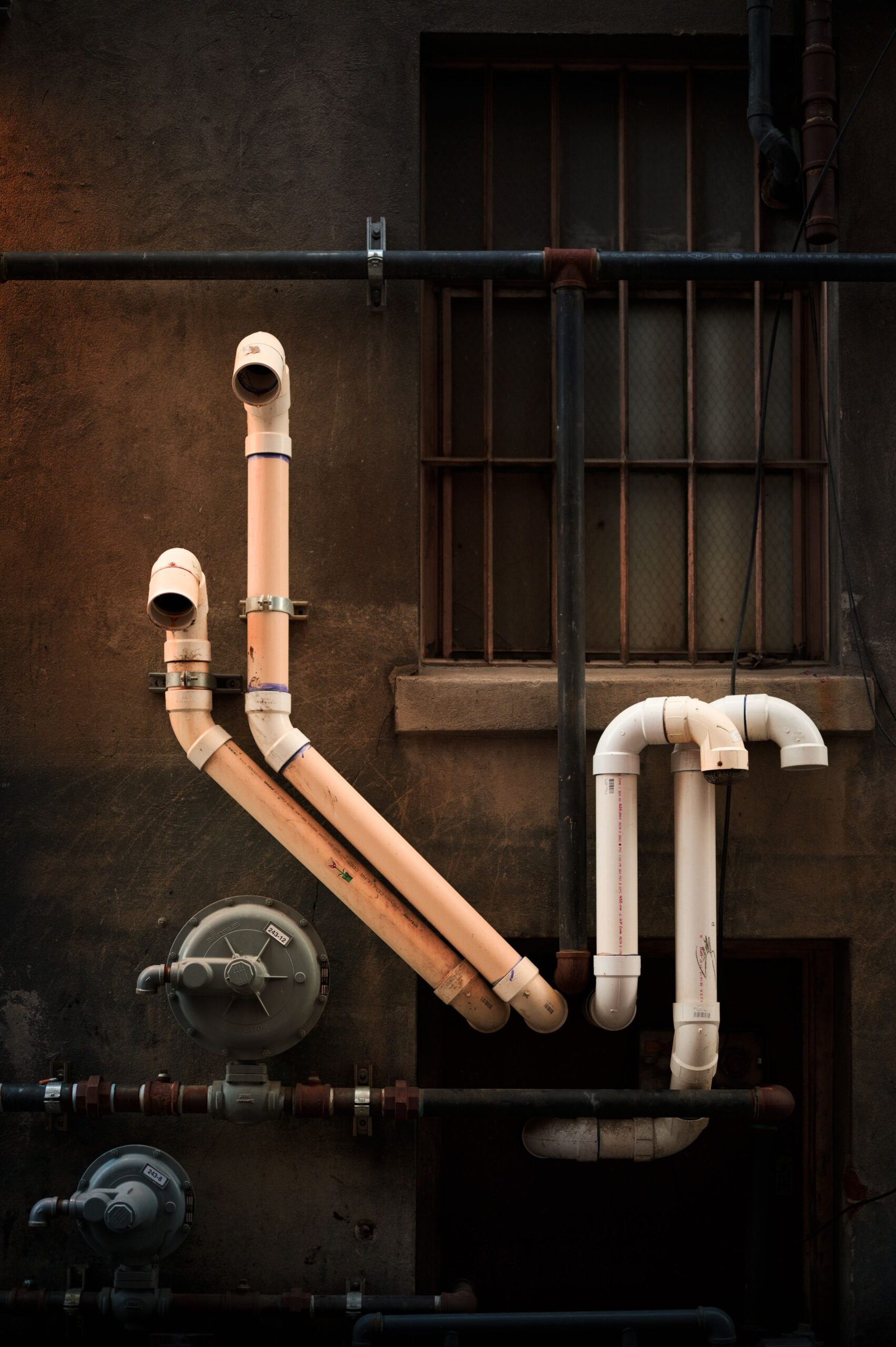
PVC, or polyvinyl chloride, piping is widely used in residential and commercial construction because it is lightweight, corrosion-resistant, relatively easy to install, and available in various sizes and configurations. Depending on the product specification, PVC piping can be used for drainage, waste, venting, and other approved applications.
However, simply using PVC does not guarantee a reliable plumbing system. Correct pipe selection, sizing, slope, fittings, jointing, supports, and installation practices are essential.
What Are PVC Pipes?
PVC pipes are plastic piping products manufactured primarily from polyvinyl chloride.
They are available in different:
- Diameters
- Wall thicknesses
- Pressure classifications
- Lengths
- Fitting configurations
- Intended applications
This distinction is important because not every PVC pipe is designed for the same purpose.
A pipe intended for drainage should not automatically be substituted for one intended for a pressurized application. Contractors must use products appropriate for the system and follow applicable plans, specifications, codes, and manufacturer requirements.
Where Are PVC Pipes Used in Construction?
Depending on their specification, PVC pipes are commonly associated with systems such as:
- Sanitary drainage
- Waste lines
- Vent lines
- Rainwater drainage
- Downspouts
- Underground drainage
- Certain cold-water applications where appropriately rated
- Site drainage
They can be found in houses, apartments, commercial establishments, resorts, offices, and other developments.
Why Are PVC Pipes Popular?
1. Resistant to Corrosion
One of PVC’s major advantages is that it does not rust like conventional metal piping.
Plumbing systems frequently encounter water and moisture, so corrosion resistance can contribute to long-term durability when the correct PVC product is used for its intended application.
2. Lightweight
PVC pipes are significantly lighter than many traditional metal piping materials.
Their lower weight can make transportation, handling, cutting, and installation easier on the construction site.
This can also help installers work more efficiently, particularly when routing pipes through walls, ceilings, and service areas.
3. Smooth Interior Surface
PVC piping has a relatively smooth internal surface, which is useful in drainage applications.
Properly sized and installed drainage pipes allow wastewater to flow efficiently through the system.
However, good drainage depends on much more than the pipe material itself. Correct slope, fittings, venting, and installation remain critical.
4. Wide Availability of Fittings
PVC systems offer numerous fittings for routing plumbing lines.
These may include:
- Elbows
- Tees
- Wyes
- Couplings
- Reducers
- Cleanouts
- Adapters
The correct fitting should be selected according to the system’s function rather than simply using whatever is easiest to install.
PVC Pipes for Sanitary Drainage
One of the most common applications of PVC in buildings is sanitary drainage.
Wastewater from fixtures such as toilets, lavatories, kitchen sinks, showers, and floor drains must be transported safely away from occupied spaces.
A sanitary system must consider:
- Correct pipe sizing
- Proper drainage slope
- Ventilation
- Cleanout access
- Appropriate fittings
- Secure supports
- Reliable connections
Poor drainage design can lead to recurring problems even when high-quality pipes are used.
Proper Drainage Slope Matters
Drainage pipes rely largely on gravity.
If the slope is inadequate, wastewater may not move efficiently. If the system is improperly configured, solids can accumulate and contribute to blockages.
Pipe slopes should therefore follow the approved plumbing design and applicable requirements.
Workers should not simply estimate drainage slopes by eye.
Proper measurement during installation can prevent costly problems after floors and walls have already been completed.
Plumbing Vents Are Important
Drainage systems also require proper venting.
Vent pipes help the plumbing system operate correctly by allowing air movement and supporting proper drainage performance.
Poor venting may contribute to issues such as:
- Slow drainage
- Unpleasant odors
- Trap problems
- Gurgling fixtures
Because vent lines are often concealed, they should be planned before ceilings, walls, and roof penetrations are finalized.
Cleanouts Should Remain Accessible
A cleanout provides access to drainage piping for inspection and clearing blockages.
One common construction mistake is placing a cleanout in a location that becomes inaccessible after cabinetry, tiles, landscaping, or other finishes are installed.
Cleanouts should be located strategically and remain usable after project completion.
Good plumbing design considers not only installation but also future maintenance.
Pipe Sizing Is Critical
Using a pipe that looks “large enough” is not professional plumbing design.
Different fixtures and drainage systems have different requirements.
Pipe sizing should consider factors such as:
- Type of fixture
- Number of connected fixtures
- Expected flow
- Pipe length
- System configuration
- Applicable plumbing requirements
Oversizing or undersizing pipes without proper design can affect performance and increase unnecessary construction costs.
Proper Pipe Connections
PVC systems often use solvent-cemented connections depending on the particular product.
Good joint preparation is essential.
Installers should follow the manufacturer’s procedure for:
- Cutting
- Cleaning
- Preparing surfaces
- Applying appropriate joining products
- Inserting fittings correctly
- Allowing adequate curing
Poorly assembled joints can become potential leakage points.
Because many pipes are later hidden behind walls or underneath floors, joints should be checked before concealment.
Supports and Pipe Alignment
Pipes should be adequately supported.
Improperly supported piping may sag, move, or place unnecessary stress on connections.
Supports should be appropriate for the:
- Pipe diameter
- Orientation
- Installation location
- System requirements
Horizontal drainage pipes particularly need proper alignment to maintain their intended slope.
PVC Pipes Under Concrete
Some plumbing lines are installed below slabs or within concealed areas.
These locations require careful planning because repairs can become disruptive once concrete, waterproofing, tiles, and finishes are completed.
Before covering concealed piping, the construction team should verify:
- Pipe routing
- Connections
- Slope
- Alignment
- Required testing
- Protection from construction damage
Documentation such as photographs and as-built information can also be valuable for future maintenance.
PVC Pipes and Bathrooms
Bathrooms contain multiple plumbing components within a relatively small area.
PVC piping may form part of the drainage network connecting:
- Water closets
- Lavatories
- Showers
- Floor drains
Plumbing layouts should be coordinated with bathroom architecture before construction.
Moving a toilet or floor drain after the structural and plumbing works are finished can create expensive modifications.
PVC Pipes in Kitchens
Kitchen drainage requires special attention because wastewater may contain grease and food particles.
The sink location, drainage route, cleanout accessibility, and connection to the main sanitary system should be properly coordinated.
For commercial kitchens, additional requirements may apply depending on the operation and applicable regulations.
PVC for Rainwater Drainage
PVC pipes may also be incorporated into roof drainage systems where suitable.
Rainwater from roofs and gutters needs to be directed away from the building through properly sized downspouts and drainage systems.
Poor rainwater management can contribute to:
- Flooding
- Soil erosion
- Foundation-area moisture
- Wall staining
- Landscape damage
In a country that experiences periods of intense rainfall, drainage planning should be treated as an important part of building design.
PVC vs. PPR Pipes
Homeowners sometimes assume PVC and PPR are interchangeable because both are plastic piping materials.
They are not necessarily used for the same purposes.
PPR piping is commonly associated with pressurized water-supply systems and is joined using heat fusion.
PVC is widely associated with drainage, waste, venting, and other applications depending on the specific product rating.
The correct material should be selected according to the system requirements.
PVC vs. Metal Pipes
PVC offers advantages such as corrosion resistance, lower weight, and convenient installation.
Metal piping, however, may still be appropriate for particular applications depending on pressure, temperature, exposure, fire requirements, and project specifications.
Professional construction should select materials based on technical requirements—not simply choose one material for the entire building.
Common PVC Pipe Installation Mistakes
Many plumbing problems are caused by installation rather than the pipe itself.
Common mistakes include:
- Incorrect pipe size
- Improper drainage slope
- Poor joint preparation
- Using the wrong fittings
- Insufficient supports
- Poor venting
- Inaccessible cleanouts
- Damaging pipes during construction
- Concealing pipes before inspection or testing
- Using PVC products for unsuitable applications
Preventing these problems during construction is significantly easier than repairing them after turnover.
Plumbing Should Be Tested Before Finishing
Plumbing systems should be appropriately inspected and tested before they are permanently concealed, according to the system and project requirements.
Imagine discovering a leaking connection only after:
- Tiles are installed
- Cabinets are completed
- Ceilings are painted
- Walls are finished
Repairing the problem may require destroying newly completed work.
Proper testing and quality control help reduce this risk.
Plumbing and Waterproofing Must Work Together
Bathrooms, balconies, roof decks, and other wet areas involve both plumbing and waterproofing.
A floor drain may be properly connected to PVC piping, but the surrounding area can still leak if waterproofing is poorly installed.
Likewise, excellent waterproofing cannot compensate for a leaking drainage connection.
These systems need to be coordinated.
Don’t Choose PVC Pipes Based Only on Price
Not all pipes that look similar have identical specifications.
Homeowners and developers should consider:
- Manufacturer
- Product specification
- Intended application
- Wall thickness or classification
- Relevant standards
- Supplier reliability
Saving a small amount on concealed plumbing materials may not be worthwhile if failure later requires breaking walls, floors, or ceilings.
PVC Pipes for Residential Developments
For developers building multiple houses or rental units, consistent plumbing specifications are particularly important.
Standardized materials and layouts can simplify:
- Procurement
- Installation
- Inspection
- Maintenance
- Future repairs
Quality plumbing can also reduce post-turnover complaints from homeowners and tenants.
Why Design and Build Helps
Plumbing does not exist independently from the rest of the building.
PVC piping must be coordinated with:
- Foundations
- Structural beams
- Floor slabs
- Bathrooms
- Kitchens
- Cabinets
- Ceilings
- Waterproofing
- Roofing
- Site drainage
Under a Design and Build approach, architects, engineers, plumbers, and construction teams can coordinate these elements before installation.
This helps prevent situations where pipes interfere with structural components or where drains are placed incorrectly relative to the architectural layout.
Build a Plumbing System Designed to Last
PVC pipes may eventually disappear behind walls, underneath floors, and above ceilings, but their performance affects the property every day.
A reliable plumbing system requires more than purchasing good pipes. It requires correct design, appropriate specifications, proper fittings, accurate slopes, secure supports, reliable connections, accessible maintenance points, testing, and skilled installation.
At Nillasca Construction, we believe the hidden parts of a building deserve the same attention as the visible finishes. Through our Design and Build approach, plumbing systems are coordinated with architectural, structural, electrical, waterproofing, and finishing requirements from the planning stage through construction.
Whether you are building a bungalow, two-storey family home, apartment, resort, office, or commercial development, never underestimate the importance of properly designed plumbing.
Beautiful tiles and premium fixtures may attract attention during turnover, but what truly matters over the years is what happens when you open the faucet, flush the toilet, use the shower, or experience heavy rain.
Good construction is not only what you can see. Quality also runs through every pipe hidden behind the walls.