
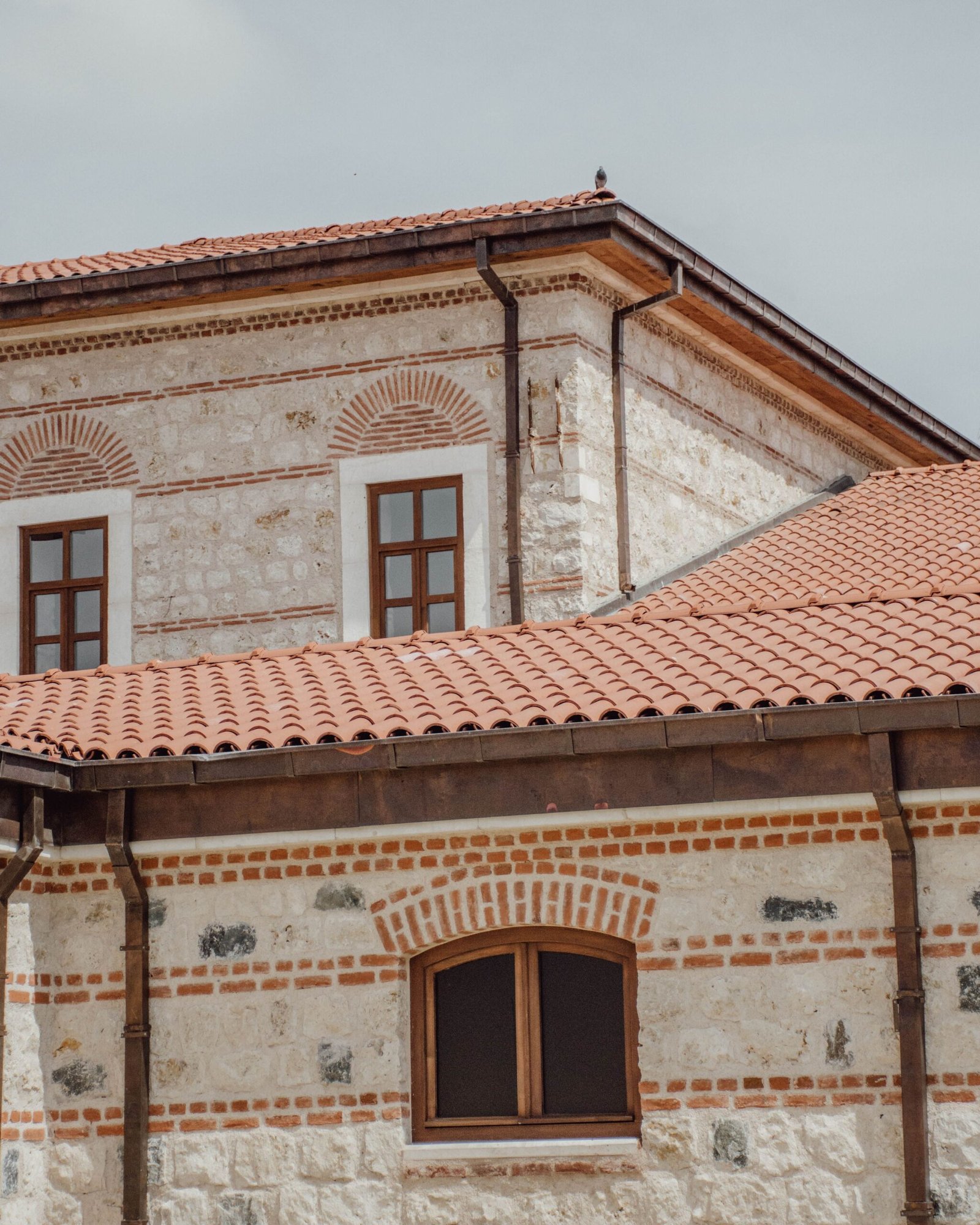

The roof is one of the most important protective components of a house. It is constantly exposed to sunlight, rain, wind, humidity, and changing weather conditions, making material selection and installation critical to long-term building performance.
For homeowners who want the appearance of traditional roof tiles combined with a metal roofing system, stone-coated roofing has become an increasingly considered option.
Stone-coated metal roofing is available in different profiles, textures, and colors that can complement Contemporary, Modern Tropical, Mediterranean, and other residential architectural styles.
However, choosing stone-coated roofing should involve more than selecting a color from a catalog.
Roof slope, framing, fasteners, flashing, insulation, ventilation, drainage, installation quality, and future maintenance all influence how the complete roof performs.
What Is Stone-Coated Roofing?
Stone-coated roofing is generally a metal roofing product with a protective and decorative surface incorporating stone granules.
The roofing panel typically consists of several manufactured layers, although the exact composition depends on the product and manufacturer.
The result is a roofing material designed to combine the structural advantages of a metal panel with the textured appearance associated with conventional roof tiles.
Profiles may imitate the appearance of:
- Clay tiles
- Traditional roof tiles
- Shingles
- Shake-style roofing
- Contemporary tile profiles
This provides homeowners with greater flexibility when matching the roof to the architectural style of the house.
1. Provides the Appearance of Roof Tiles Without Traditional Tile Construction
One of the primary reasons homeowners choose stone-coated roofing is appearance.
Traditional tile-inspired profiles can create depth and shadow across the roof, giving the house a more substantial architectural character than some plain metal roofing systems.
Stone-coated roofing can complement homes with:
- Wide roof forms
- Hip roofs
- Gable roofs
- Mediterranean-inspired architecture
- Modern Tropical design
- Contemporary façades
The roof color should be coordinated with exterior walls, windows, stone, WPC, metal cladding, and other façade materials.
2. Relatively Lightweight Compared With Some Traditional Roofing Materials
Metal-based stone-coated roofing can be relatively lightweight compared with certain conventional masonry or concrete tile systems.
However, this does not mean roof framing can simply be reduced without engineering evaluation.
The roof structure still needs to support:
- Roofing
- Framing
- Insulation
- Ceilings
- Wind-related forces
- Other applicable loads
Structural framing should follow the approved engineering design and the roofing manufacturer’s installation requirements.
3. Available in a Wide Range of Architectural Styles
Roofing contributes significantly to the appearance of a house.
Stone-coated products are available in numerous profiles and colors, allowing designers to create different architectural characters.
Modern Tropical
Dark gray, charcoal, or natural earthy tones can work with:
- White walls
- Wood-look soffits
- Natural stone
- Large windows
Mediterranean
Tile-inspired profiles in warm or earthy colors can complement:
- Textured walls
- Arches
- Stone accents
- Warm neutral façades
Contemporary
Low-profile stone-coated systems in dark neutral colors can create a cleaner modern appearance.
The profile should match the overall architectural language rather than being selected independently.
4. Can Provide Good Weather Protection When Properly Installed
The roofing system acts as the building’s first major defense against rain.
However, roofing performance depends on much more than the panel itself.
A complete system may involve:
- Roof panels
- Fasteners
- Flashings
- Ridge components
- Valleys
- Gutters
- Sealants where appropriate
- Under-roof components
Poor installation around roof intersections and penetrations can create leaks even when premium roofing materials are used.
Installation quality is therefore just as important as product quality.
5. Can Offer Long-Term Durability
Quality stone-coated roofing systems are designed for long-term exterior exposure.
However, actual durability depends on factors such as:
- Product quality
- Protective coatings
- Installation
- Fasteners
- Environmental exposure
- Maintenance
Cut edges and damaged protective coatings should be handled according to the manufacturer’s recommendations.
Exterior roofing should also be periodically inspected rather than assumed to be permanently maintenance-free.
6. Can Help Create a Quieter Roof System When Properly Detailed
Homeowners often ask whether metal roofing will be noisy during rain.
Rain noise depends on the complete roof and ceiling assembly, not only the roofing sheet.
Factors that can influence interior sound include:
- Roof profile
- Insulation
- Ceiling
- Air space
- Under-roof materials
- Building design
Stone granules may influence the acoustic character of the exterior panel, but homeowners should not assume that the coating alone will make the roof silent.
A properly designed roof-and-ceiling assembly provides a more complete solution.
7. Works Well With Roof Insulation Systems
The Philippines’ tropical climate makes heat control an important part of roof design.
Stone-coated roofing should be considered together with the complete thermal strategy.
Possible components may include:
- Appropriate insulation
- Radiant barriers where suitable
- Ceiling systems
- Ventilated roof spaces
- Roof overhangs
The exact assembly should be selected according to the building design and product requirements.
Roofing color can also influence solar heat absorption.
Darker roofs generally absorb more solar energy than lighter reflective surfaces, although the performance of the entire roof system ultimately matters.
8. Can Add Strong Architectural Value to the House
The roof can occupy a large portion of the visible exterior, especially on bungalows and houses with broad roof forms.
A well-proportioned stone-coated roof can become an important architectural feature.
But expensive roofing cannot correct poor roof proportions.
The architectural design should first establish:
- Roof slope
- Eaves
- Overhangs
- Ridge lines
- Gutters
- Relationship with the façade
The roofing material should then complement that geometry.
Stone-Coated Roofing vs. Long-Span Metal Roofing
Both systems can be appropriate depending on the project.
Stone-Coated Roofing
Potential advantages may include:
- Textured appearance
- Tile-inspired profiles
- Wide architectural variety
- Premium residential character
Long-Span Metal Roofing
Potential advantages may include:
- Fewer transverse joints depending on configuration
- Clean appearance
- Efficient installation for suitable roof forms
- Wide product availability
The better option depends on architecture, budget, roof geometry, installation requirements, and maintenance expectations.
Stone-Coated Roofing vs. Concrete Roof Tiles
Traditional concrete tiles can create a substantial and classic appearance.
Stone-coated metal roofing may provide a similar visual character with a different weight and installation system.
However, these systems are structurally and technically different.
The roof framing should always be designed according to the actual roofing system specified for the project.
Changing roofing materials during construction should be coordinated with the architect, structural engineer, and contractor where necessary.
Roof Slope Matters
Every roofing system has appropriate installation requirements.
Stone-coated roofing should be installed according to the manufacturer’s required roof pitch and detailing.
A roofing system designed for a sloped roof should not automatically be applied to a nearly flat roof simply because the homeowner likes its appearance.
Insufficient slope can affect water drainage and increase the risk of water-related problems.
Roof Framing Must Be Properly Spaced
Roof framing supports the roofing panels.
Depending on the system, the installation may involve:
- Rafters
- Trusses
- Purlins or battens
- Other supporting components
Spacing should follow the structural design and manufacturer’s requirements.
Incorrect support spacing can affect panel performance, fastening, alignment, and overall roof integrity.
Fasteners Are Small but Critical
A large roof may depend on hundreds or thousands of individual fastening points.
Incorrect fasteners or poor installation can create weak points.
Important considerations may include:
- Correct fastener type
- Proper placement
- Corrosion resistance
- Installation method
Fasteners should be compatible with the roofing system and environmental conditions.
Flashing Is One of the Most Important Details
Roof leaks frequently occur around transitions and penetrations rather than in the middle of an undamaged panel.
Critical areas can include:
- Valleys
- Ridges
- Wall intersections
- Chimneys
- Vents
- Skylights
- Roof penetrations
These areas require proper flashing and detailing.
Applying sealant everywhere should not be treated as a substitute for correct flashing design.
Roof Valleys Need Special Attention
A roof valley collects water from two adjoining roof slopes.
During heavy rain, significant amounts of water may flow through this area.
Valley dimensions, flashing, panel cuts, and drainage paths should therefore be carefully installed.
Debris should also be prevented from accumulating and obstructing water flow.
Gutters and Downspouts
A good roof needs a good drainage system.
Gutters collect rainwater from roof edges, while downspouts direct it toward the property’s drainage system.
These should be coordinated with:
- Catch basins
- Drainage lines
- Site grading
- Appropriate discharge points
The objective is not merely to move water off the roof.
It must also be moved safely away from the building.
Stone-Coated Roofing and Insulation
Homeowners sometimes ask whether insulation should be installed directly underneath stone-coated roofing.
The correct installation depends on the specific roofing, insulation, and support system being used.
Insulation should not be installed based only on a generic detail found online.
The assembly should consider:
- Manufacturer instructions
- Air spaces where required
- Moisture management
- Ceiling system
- Thermal performance
Improperly installed insulation can create unintended moisture or installation issues.
Roof Ventilation
Depending on the building and roof design, ventilation within the roof space may help manage heat and moisture.
Possible strategies can involve appropriately designed:
- Eave ventilation
- Ridge ventilation
- Other roof-space ventilation
The system should prevent unwanted rain and pests from entering while still providing the intended airflow.
Stone-Coated Roofing for Bungalows
Bungalows often have highly visible roofs because the roof may occupy a significant proportion of the exterior elevation.
Stone-coated roofing can therefore strongly influence the overall architectural character.
Roof color and profile should be coordinated with:
- Exterior walls
- Windows
- Fascia
- Soffits
- Landscaping
A well-designed bungalow roof can become one of the property’s defining features.
Stone-Coated Roofing for Two-Storey Houses
On two-storey homes, the roof may be less dominant from street level but remains important for weather protection and architectural balance.
Complex roof geometry should be avoided unless it provides a clear design benefit.
Every additional:
- Valley
- Intersection
- Dormer
- Roof transition
creates additional detailing that needs to be constructed and maintained properly.
Simple roof forms are often easier to waterproof and maintain.
Stone-Coated Roofing for Modern Tropical Homes
Modern Tropical architecture can pair stone-coated roofing with:
- Deep roof overhangs
- Warm wood-look soffits
- Light exterior walls
- Natural stone
- Large shaded windows
- Tropical landscaping
The roof should help provide shade and rain protection while contributing to the home’s overall appearance.
Stone-Coated Roofing for Mediterranean Homes
Tile-profile stone-coated roofing can work particularly well with Mediterranean-inspired architecture.
It can complement:
- Arches
- Textured walls
- Warm colors
- Stone finishes
- Courtyards
The roof profile and color should still be selected carefully to avoid making the design visually heavy.
Coastal and Highly Exposed Locations
Projects near coastal environments or other aggressive exposure conditions require particular attention to corrosion resistance.
Roof panels are not the only components exposed.
The system also includes:
- Fasteners
- Flashings
- Gutters
- Roof framing
- Accessories
Product specifications should be appropriate for the actual environment.
Common Stone-Coated Roofing Mistakes
Avoid these costly problems:
- Choosing based only on appearance
- Using an inappropriate roof slope
- Incorrect framing or batten spacing
- Poor fastener installation
- Improper flashing
- Poorly detailed valleys
- Damaging protective coatings during installation
- Ignoring insulation and roof-space heat
- Undersized gutters and downspouts
- Hiring installers unfamiliar with the specific roofing system
Premium roofing material can still perform poorly when incorrectly installed.
Roof Installation Should Be Coordinated With Other Trades
Roofing work may interact with:
- Electrical conduits
- Solar-panel mounting
- Exhaust vents
- Plumbing vents
- CCTV
- Antennas
These penetrations and attachments should be coordinated before or during roofing installation.
Repeatedly drilling through a completed roof later can increase the risk of leaks if penetrations are not properly detailed.
Stone-Coated Roofing and Solar Panels
Solar panels can be installed on many roofing systems when the mounting system is appropriately designed for the specific roof.
Important considerations include:
- Roof structure
- Mounting points
- Waterproofing
- Wind loads
- Panel layout
- Maintenance access
Solar installers should avoid unnecessary roof penetrations and follow appropriate mounting details.
Planning solar during the design stage can simplify installation later.
Maintenance
Roof maintenance should include periodic visual inspection.
Check for:
- Damaged panels
- Loose components
- Flashing concerns
- Blocked gutters
- Debris
- Corrosion where applicable
Inspections can be particularly useful after severe weather.
Roof access should be performed carefully because incorrect walking or loading can damage certain roofing profiles.
How Long Does Stone-Coated Roofing Last?
There is no single lifespan applicable to every stone-coated roofing product.
Service life depends on:
- Product quality
- Coating system
- Environment
- Installation
- Maintenance
Homeowners should review the specific manufacturer’s technical information and warranty rather than relying on generic lifespan claims.
How Much Does Stone-Coated Roofing Cost?
Cost depends on more than the price of individual roof panels.
A complete roofing budget may include:
- Panels
- Ridge components
- Flashings
- Valleys
- Fasteners
- Gutters
- Roof framing
- Insulation
- Installation labor
- Wastage
Complex roof designs can require more cutting, accessories, and labor.
Clients should therefore compare the complete installed roofing system, not simply the panel price.
Why Design and Build Helps With Roofing
Roofing interacts with architecture, structural engineering, drainage, insulation, ceilings, electrical systems, solar provisions, and exterior design.
Under a Design and Build approach, these components can be coordinated before installation.
This helps reduce situations where:
- Roof framing does not match the selected roofing system
- Gutters are undersized
- Solar mounting is considered too late
- Roof penetrations are poorly positioned
- Ceiling and insulation details conflict
Good roofing begins during design—not when the roof panels arrive on-site.
A Good Roof Is a Complete System
Stone-coated roofing can provide an attractive combination of textured appearance, metal-based construction, architectural flexibility, and long-term weather protection when properly specified and installed.
But the panel itself is only one part of the roof.
Framing, slope, fasteners, flashing, insulation, ventilation, gutters, drainage, and workmanship all contribute to performance.
Planning a Home With Stone-Coated Roofing?
Whether you’re building a bungalow, two-storey family residence, Modern Tropical home, Mediterranean-inspired house, villa, resort, renovation, or custom residential property, roofing should be coordinated with the architecture and engineering from the beginning.
Nillasca Construction can assist with architectural design, structural planning, roofing specifications, insulation planning, drainage, cost estimation, complete construction, and project management through an integrated Design and Build approach.
Don’t choose a roof only because the sample looks beautiful. Choose a complete roofing system that fits the architecture, performs in the local climate, drains water properly, and can be installed and maintained correctly for years to come.