
Excitement often takes over when planning to build a dream home, commercial building, apartment, or resort. Homeowners begin collecting design inspirations, estimating budgets, and discussing layouts with architects. However, one of the most important steps is often overlooked—a professional site inspection.
No matter how beautiful your architectural plans are, they must match the actual conditions of the property. Every lot has unique characteristics that can directly affect the design, construction method, project cost, and timeline.
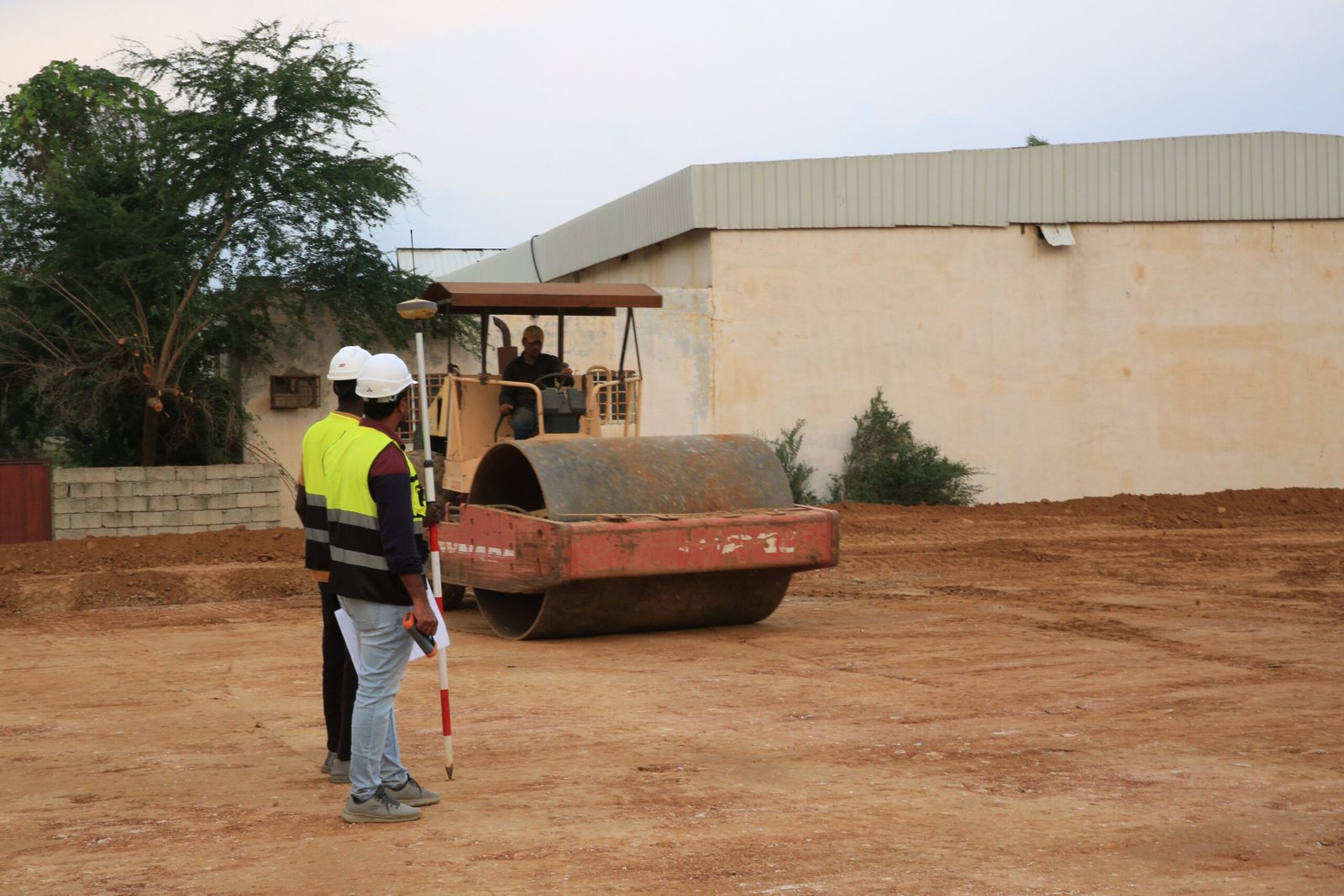
A professional site inspection allows architects, engineers, and contractors to evaluate the property before construction begins. This early assessment helps identify potential challenges, minimize costly surprises, and ensure the project starts on the right foundation.
What Is a Site Inspection?
A site inspection is a detailed evaluation of the property where construction will take place. During the inspection, construction professionals assess the site’s physical condition, accessibility, surrounding environment, utilities, and other factors that may influence the project’s design and execution.
Rather than relying solely on lot dimensions or satellite images, a site visit provides real-world information that cannot be captured on paper.
The insights gathered during this stage help create a more accurate design, budget, and construction plan.
What Is Checked During a Site Inspection?
A comprehensive site inspection typically includes evaluating:
- Lot dimensions and boundaries
- Site elevation and slope
- Soil and ground conditions
- Existing structures
- Accessibility for workers and equipment
- Road conditions
- Drainage and flood risks
- Availability of water and electrical connections
- Neighboring properties
- Trees and existing vegetation
- Utility poles and overhead wires
- Orientation for sunlight and natural ventilation
Each of these factors plays an important role in determining how the project should be designed and constructed.
Why Site Inspection Is So Important
1. Identifies Potential Challenges Early
Every property presents unique conditions.
A sloping lot, narrow access road, nearby power lines, or poor drainage may require adjustments to the design or construction method.
Identifying these conditions before construction begins helps avoid delays and unexpected costs later in the project.
2. Produces More Accurate Cost Estimates
Construction costs are heavily influenced by site conditions.
Factors such as excavation requirements, retaining walls, soil improvements, equipment access, and utility connections can significantly affect the final budget.
A professional site inspection allows contractors to prepare more realistic and transparent cost estimates.
3. Improves Architectural Design
The best house designs respond to the property’s natural characteristics.
Architects use site inspection data to position rooms for better views, maximize natural lighting, improve ventilation, and optimize privacy.
Instead of forcing a standard design onto every lot, the design is customized to suit the location.
4. Reduces Construction Risks
Unexpected site conditions are one of the leading causes of project delays.
By understanding the property before work begins, contractors can prepare appropriate construction methods, equipment, manpower, and scheduling.
This proactive planning reduces disruptions throughout the project.
5. Supports Faster Permit Processing
Accurate site information helps prepare construction drawings that comply with local regulations and building requirements.
This minimizes revisions during the permitting process and allows documentation to move more efficiently.
Common Problems Discovered During Site Inspections
Professional site inspections often reveal issues that property owners may not notice, including:
- Flood-prone areas
- Unstable soil
- Encroachments or boundary concerns
- Limited equipment access
- Existing underground utilities
- Steep terrain
- Poor drainage
- Trees requiring preservation or relocation
- Easement restrictions
- Neighboring structures affecting construction
Discovering these challenges early allows the project team to develop practical solutions before construction starts.
Who Should Conduct the Site Inspection?
A proper site inspection should be performed by experienced construction professionals, including architects, engineers, and qualified contractors.
Because these experts understand structural requirements, construction methods, and local regulations, they can identify opportunities and potential risks that may otherwise be overlooked.
Their recommendations become valuable inputs during design development and budgeting.
Why Site Inspection Saves Money
Some property owners view site inspections as an additional expense, but in reality, they are one of the smartest investments during project planning.
The cost of a professional inspection is often far less than the expense of correcting design errors, relocating utilities, redesigning foundations, or resolving construction delays after work has already begun.
Early planning leads to better decisions and greater budget control.
Start Every Project with Confidence
Successful construction begins long before the first excavation. It starts with understanding the land, identifying opportunities, and preparing for challenges before they become costly problems.
At Nillasca Construction, every Design and Build project begins with a thorough site inspection. Our architects, engineers, and construction professionals evaluate each property carefully to develop practical solutions that match the site’s unique conditions and the client’s goals.
Whether you’re building your dream home, developing apartments, constructing a commercial building, or planning a resort, a professional site inspection lays the foundation for a smoother construction process. By investing in proper planning from the very beginning, you’ll save time, reduce risks, control costs, and build with greater confidence.
[…] Site Inspection Guide […]