

Construction company loans should be assessed against the business’s cash-flow needs and ability to repay, including the timing and certainty of progress-payment collections. Prepare a dated cash-flow schedule and discuss the appropriate facility with a regulated lender before relying on borrowed funds to keep work moving.
This article concerns a contractor’s business working capital. An owner borrowing to build commercial premises has a different financing purpose; see the commercial construction loan preparation guide for that discussion. A customer’s bank approval does not automatically provide a credit facility to the contractor.
Separate the stages between completed work and available cash
A submitted billing, an approved amount and collected cash are different entries in the project records. The contract and billing process determine what must happen between them. Retention, previous advances, deductions, unresolved changes and the agreed payment period can affect the amount and timing to track.
| Record | Question for the business’s cash-flow review |
|---|---|
| Planned work and purchases | When are payroll, suppliers and subcontractors expected to be paid? |
| Submitted progress billing | What supporting records were submitted, and what review remains? |
| Reviewed or certified amount | What amount is accepted, and are deductions or retention recorded? |
| Expected collection | Which contractual conditions and payment dates support the expectation? |
| Actual receipt | What cash has arrived and been reconciled against the billing? |
Use the progress billing guide for the project documentation discussion and the retention guide for amounts withheld under the contract. Do not put an unapproved variation into a collection forecast as though it were already accepted and payable.
Identify the financing question before choosing a product
Work out whether the issue is a recurring timing gap, a single purchase, delayed customer collections or a project whose costs exceed its agreed revenue. These require different decisions. Additional borrowing does not correct an unresolved scope or an unprofitable contract by itself.
An official example of a business credit category is Security Bank’s Business Working Capital facility, which it describes as secured revolving credit for short-term business funding. Its Supply Chain Solutions page separately describes receivables financing for suppliers. These descriptions establish product categories, not the eligibility of a particular construction company or progress billing. Ask the lender to assess the actual transaction and its current conditions.
Ask how the lender treats construction receivables
- Which clients and contracts, if any, are acceptable under the facility?
- Must the billing be certified or acknowledged, and what evidence is required?
- How are retention, disputed amounts and unapproved variations treated?
- Is customer confirmation, consent or a collection arrangement required?
- What security, guarantees or other recourse does the lender require?
- What happens if the customer pays later than expected or the project changes?
Do not assume a signed construction contract or invoice can automatically be used as security or assigned to another party. Review the underlying contract and the proposed finance documents with the appropriate advisers. Obtain written lender confirmation instead of treating a marketing page as an approval.
Prepare the business and project records
| Folder | Records to discuss with the lender |
|---|---|
| Business identity | Entity and registration records, authorised signatories and other current application requirements. |
| Financial position | Financial statements, tax records, bank statements, existing debts and the lender’s requested information. |
| Project position | Signed contract, scope, payment terms, programme and the records supporting the amount billed. |
| Receivables and commitments | A dated collection schedule, amounts disputed or retained, and supplier and subcontractor obligations. |
| Cash-flow forecast | Expected receipts and payments with assumptions, uncertainties and an explanation of any projected shortfall. |
The lender’s current checklist controls its application process. The table organises preparation and does not establish a universal document list. Keep private client and financial records in the appropriate secure application channel and share them only with authorised recipients.
Test the forecast before committing to repayment dates
Keep actual receipts separate from forecast collections. Review what happens if a billing is certified later, a client pays after the expected date or another project also needs cash. Ask your accountant or financial adviser to assess the business’s ability to meet its obligations under those scenarios.
A useful forecast does not need to invent an industry payment delay or assume every customer follows the same period. Use your own contracts and records. Identify the assumptions that require confirmation and revisit them when billings, instructions or payment arrangements change.
Compare total borrowing cost and contractual conditions
Ask for the interest basis, effective interest rate, all relevant fees, repayment schedule, security requirements and conditions that may trigger extra charges. BSP’s loan-calculator guidance explains the effective interest rate and directs borrowers to obtain the actual calculation and fee disclosures from the financial institution. Its calculator results are illustrative.
Have the proposed repayment and collection arrangement explained before signing. A lower headline interest rate may not describe the same fees, security or release conditions as another offer. Product terms change, so this article does not publish a loan rate, lending limit or approval-time promise.
Frequently asked questions
Can progress payments finance a construction company automatically?
No. A client payment process and a lender’s financing assessment are separate. The lender must confirm whether the borrower, contract, receivable and documentation meet its conditions.
Is receivables financing the same as a construction loan for a building owner?
They serve different financing purposes. A lender should classify the actual borrower and transaction before discussing an appropriate facility.
Should retention be counted as cash available now?
Track retention separately and use the release conditions in the contract when preparing the forecast. Do not treat a withheld amount as already collected.
Does Nillasca offer business loans or arrange guaranteed funding?
No financing offer or approval is made by this article. Loan applications, suitability and decisions belong with the lender and the business’s financial and legal advisers.
Define the construction engagement clearly
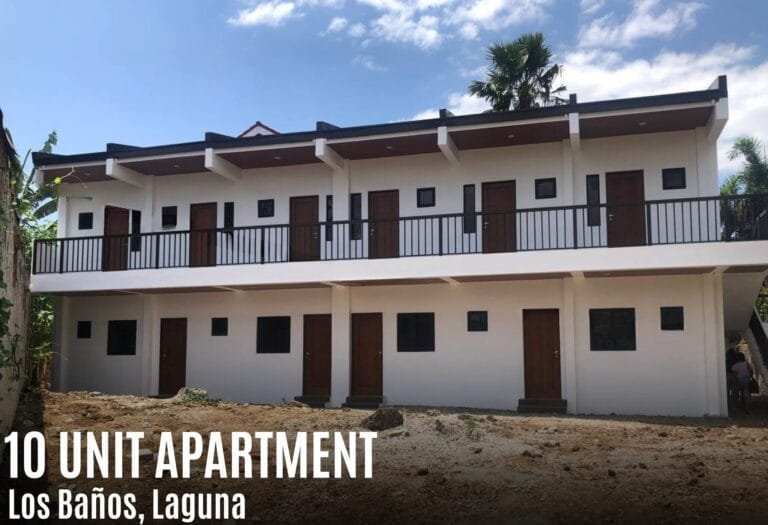
If you are an owner planning a house, renovation or commercial building in Laguna, share your site and available plans with Nillasca. A defined scope and documented payment schedule help the construction discussion; borrowing arrangements must be confirmed separately with your lender.
Official references checked on 24 November 2026. Confirm the requirements and arrangements applicable to your actual project with the responsible professionals, relevant office or lender.
[…] the contractor’s business cash-flow perspective, read our working-capital and progress-payment financing guide. It explains questions about receivables, retention and lender assessment without treating withheld […]